Why 100% Natural Rubber Matters: Haohang Pneumatic Fender Decision Guide
Why 100% Natural Rubber Matters: Haohang Pneumatic Fender Decision Guide
When selecting a pneumatic rubber fender for ship-to-ship (STS) or ship-to-dock (STD) operations, the choice of material is one of the most critical factors affecting safety, maintenance costs, and service life. This guide compares Haohang pneumatic rubber fenders—engineered with 100% natural rubber and high-strength cord fabric—to recycled rubber alternatives, providing a clear decision framework for procurement professionals.
Problem: The Hidden Cost of Recycled Rubber Fenders
Many marine fenders on the market are manufactured using recycled rubber materials to reduce cost. While this lowers the upfront price, it introduces significant compromises: lower impact absorption efficiency, higher air leakage rates over time, and a substantially shorter operational lifespan. For STS and STD operations where safety and reliability are non-negotiable, these drawbacks can translate into increased maintenance frequency, unplanned downtime, and ultimately higher total cost of ownership.
Industry Background: Growing Market, Stringent Standards
The global marine fender market was estimated at USD 850 million in 2025, with rubber fenders accounting for approximately 64.17% of the total market share in 2024. The pneumatic marine fender segment alone was valued at USD 619.26 million in 2024 and is projected to grow at a CAGR of 3.21% to reach USD 797.35 million by 2032. Asia-Pacific is the dominant region, holding 36.73% to 46% of the market share, driven by shipbuilding and port activities in China, Japan, and South Korea.
Internationally, floating pneumatic rubber fenders must comply with ISO 17357-1:2014 (High Pressure) and ISO 17357-2:2014 (Low Pressure) standards. These standards define performance requirements for energy absorption and dimensional stability, making material selection and manufacturing precision critical for compliance.
Detailed Solution: Haohang's 100% Natural Rubber Approach
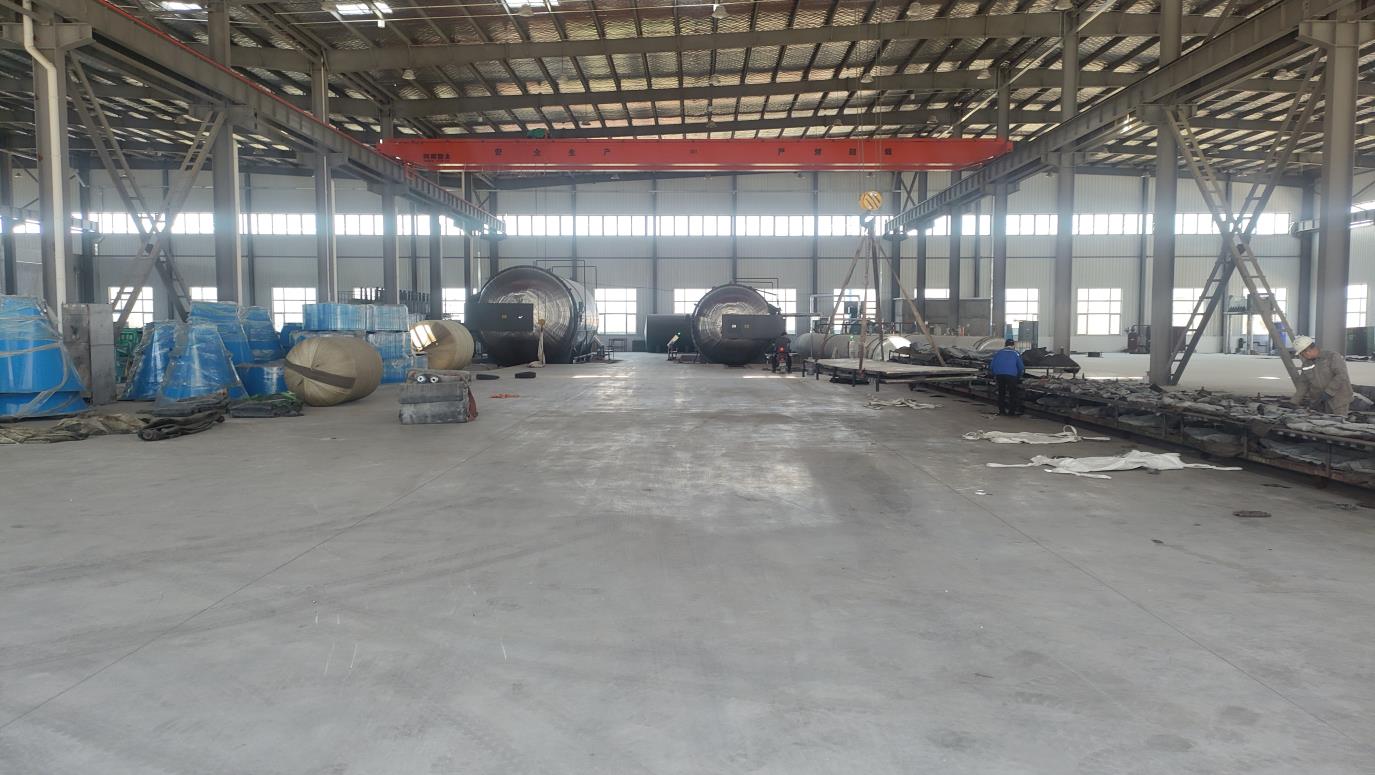
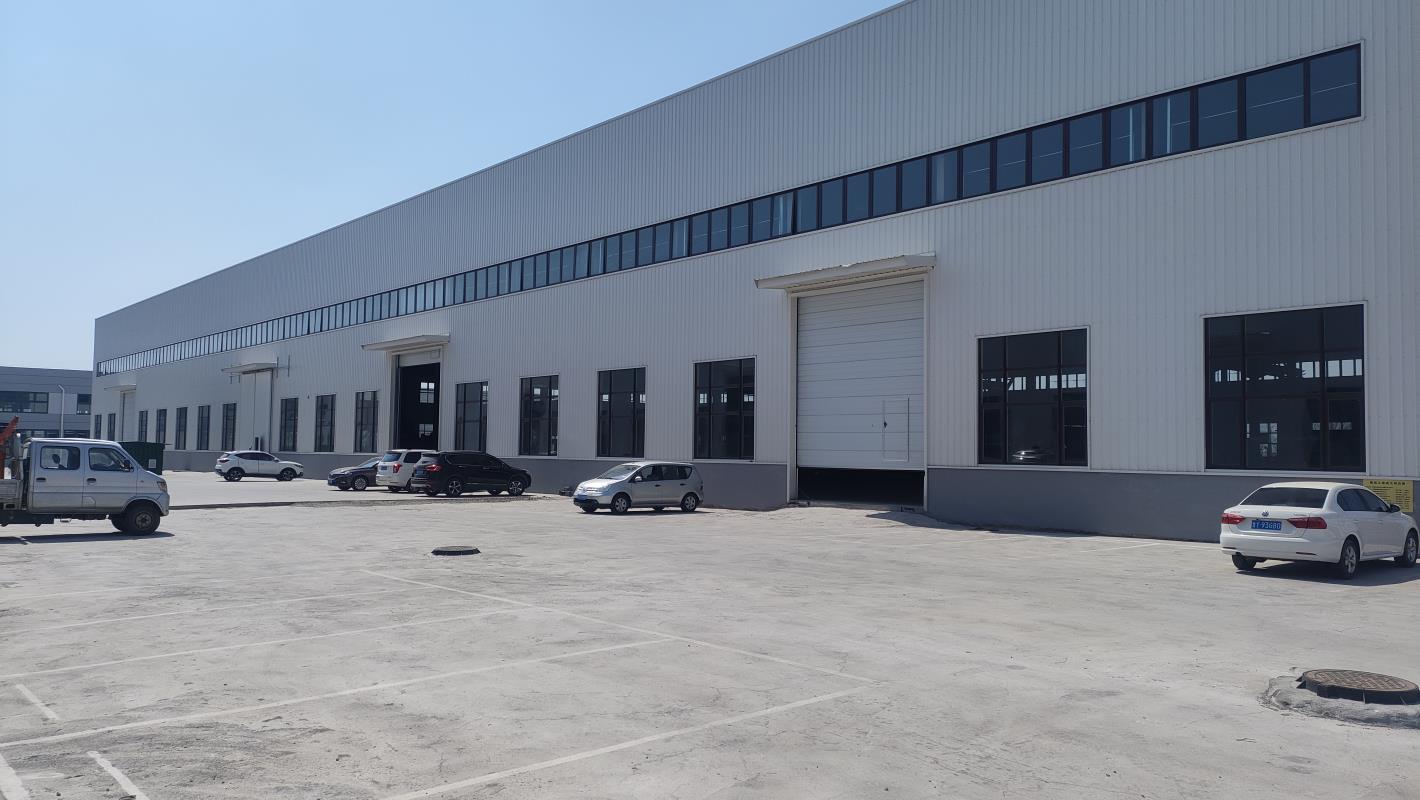
Qingdao Haohang Fender Airbag Co., Ltd., founded in 2020, operates an 8,000 m² facility with 60 employees, including a dedicated R&D team of 15 engineers. The company produces approximately 2,000 units annually, with 70% exported to South Asia, the Middle East, and Africa.
Haohang pneumatic rubber fenders are constructed using 100% natural rubber material and high-strength cord fabric of truck/aircraft tyre grade. This distinction delivers measurable performance advantages over recycled rubber fenders:
- Impact absorption efficiency: Up to 90%, compared to 75% for traditional options
- Air tightness: Leak rate reduced by 50% under standard pressure
- Service life: 30% longer than recycled rubber fenders
These fenders are specifically designed for STS and STD operations, where high energy absorption with low reaction force improves berthing safety and operational efficiency.
Step-by-Step Breakdown: How to Evaluate Performance
- Material verification: Confirm the rubber compound is 100% natural (virgin) vs. recycled. Haohang products use only prime natural rubber with truck/aircraft tyre-grade cord fabric.
- Energy absorption test: Request test data showing impact absorption efficiency. Haohang achieves up to 90% efficiency, exceeding the typical 75% threshold.
- Air leak rate check: Under standard internal pressure, a lower leak rate indicates better long-term performance. Haohang's design reduces leakage by 50%.
- Service life projection: Compare expected lifespan. Industry data shows pneumatic fenders typically last 5–7 years; Haohang's 100% natural rubber construction extends this by 30% versus recycled alternatives.
- Certification compliance: Ensure the supplier can provide ISO 17357-1/2 compliance documentation. Haohang products meet international standards.
Use Cases: Ideal for STS and STD Operations
The high energy absorption and low reaction force of Haohang pneumatic fenders make them especially suitable for:
- Ship-to-Ship (STS) transfers: Lighters, bunkering, and cargo transfer at sea, where fenders must absorb dynamic impact without damaging hulls.
- Ship-to-Dock (STD) berthing: Port and harbor operations where heavy vessels repeatedly contact dock structures, requiring durable, long-lasting fenders.
Comparison: Haohang vs. Recycled Rubber Fenders
| Parameter | Haohang Pneumatic Fender | Recycled Rubber Fender |
|---|---|---|
| Rubber material | 100% natural rubber | Recycled rubber (inferior compound) |
| Cord fabric grade | Truck/aircraft tyre-grade high-strength | Standard or lower-grade fabric |
| Impact absorption efficiency | Up to 90% | ~75% (typical) |
| Air leak rate (standard pressure) | Reduced by 50% | Standard leakage rate |
| Service life vs. recycled fenders | 30% longer | Baseline |
| Best suited for | STS and STD operations | Limited applications, higher risk |
Note: Cost comparison – Haohang fenders are cost-competitive. While they use premium materials, the selling price remains comparable to recycled rubber fenders, offering better long-term value.
Frequently Asked Questions
-
Do Haohang pneumatic fenders comply with international standards?
Yes. Floating pneumatic rubber fenders must comply with ISO 17357-1:2014 (High Pressure) and ISO 17357-2:2014 (Low Pressure) standards. Haohang products are manufactured to meet these international requirements, ensuring consistent energy absorption and quality.
-
What impact absorption efficiency can I expect from a Haohang fender?
Haohang pneumatic fenders achieve an impact absorption efficiency of up to 90%, compared to approximately 75% for traditional recycled rubber fenders. This higher efficiency reduces reaction force on the vessel and improves berthing safety.
-
How does the cost of Haohang fenders compare to recycled rubber options?
Haohang uses 100% natural rubber and high-grade cord fabric, which increases material cost. However, the selling price remains comparable to recycled rubber fenders, providing better performance and longer service life without a premium upfront investment.
-
What is the service life of a Haohang pneumatic fender?
Haohang fenders offer 30% longer service life than recycled rubber fenders. While industry data shows typical pneumatic fenders last 5–7 years, the use of virgin natural rubber and aircraft-grade cord fabric extends service intervals and reduces total cost of ownership.
-
Can I request a sample or test unit before placing a bulk order?
Yes. Qingdao Haohang provides samples and test units for qualified procurement teams. To request a sample or obtain a technical quotation, contact Ella at ella@qdhaohang.com or via WhatsApp at +86 15806273885. Our sales and technical teams can also provide customized solutions for your specific STS or STD requirements.

Conclusion
Choosing the right pneumatic rubber fender directly impacts operational safety, maintenance frequency, and total cost of ownership. Haohang's commitment to 100% natural rubber material and high-strength cord fabric—combined with measurable performance advantages—makes it a compelling option for STS and STD operations. By prioritizing material quality, compliance with ISO standards, and long-term durability, procurement professionals can make a confident, data-informed decision.
For a complete overview of Haohang's capabilities, download the corporate brochure: Haohang Product Brochure (PDF).
Have Questions or Need More Details?
Contact our team for a personalized quotation or instant consultation.
Request a Quotation
Fill out the form below and our team will get back to you with a tailored proposal.
WhatsApp Direct Chat
Prefer to chat in real-time? Message us on WhatsApp for instant assistance & quick answers.
- Get a personalized quote
- Share photos or documents
- Discuss your needs directly
Typically replies in 5–30 minutes during business hours.