
Marine Airbags in Indonesian Shipyards: An Application Guide for Launching and Salvage Operations
Marine airbags already work in Indonesian shipyards. The deciding question is no longer whether a rubber airbag can move a hull, but whether the same equipment and the same supplier can be relied on across different slipways, tide ranges and emergency salvage call-outs over several years of operation.
This guide is written for shipyard managers, repair yards and salvage contractors in Indonesia who have moved past the first evaluation stage and are planning actual operations. It explains how marine rubber airbags are applied to launching and salvage work, which parameters decide whether an operation is repeatable, how an operating sequence runs from site survey to post-operation inspection, and how to structure supply, spares and technical support over the life of the equipment.
Problem Definition: Why One Successful Launch Is Not the Goal
An airbag launch that works once does not automatically repeat. Indonesian yards commonly operate across different slipway gradients, tidal ranges and seabed bearing conditions, and a set of airbags purchased for one slipway is frequently reused at a site with different characteristics. Three issues recur in practice.
1. Pressure retention under sustained load
During a launch or a lifting operation the airbag is held at working pressure for an extended period while the load transfers from keel blocks to the bag. If pressure drops unevenly, the hull trim changes and the sequence has to be corrected mid-operation. Stable pressure retention — rather than peak capacity on a datasheet — is what keeps the operation predictable, and this is the property that separates a controlled launch from a corrective one.
2. Surface abrasion on concrete and coral slipways
Slipway surfaces in the region are not uniform. Abrasion damage to the outer rubber layer is a recognised risk in airbag operation. The control method is straightforward: the damaged area is repaired with rubber material rather than the bag being retired, which is why repair practice and access to repair material matter as much as the original specification.
3. Support distance and spare availability
Equipment sourced internationally must be supported internationally. A yard that loses a bag to abrasion mid-project, or needs guidance on inflation sequencing for an unusual hull, loses schedule time that is far more expensive than the airbag itself. Supply lead time, spare policy and access to technical guidance are therefore part of the technical case, not an afterthought to it.
Decision rule: treat an airbag set as a repeatable tool with a service life, not as a consumable bought per launch. That single shift in framing changes which supplier, which construction and which support arrangement a yard should choose.
Industry Background: What the Standard Defines and Who Supplies It
The technical reference for this product category is ISO 14409:2011, Ships and marine technology — Ship launching air bags. The standard specifies the terms and definitions, classification, materials and dimensions, test items and methods for air bags used for launching a vessel, and it is intended for designing, manufacturing, testing and accepting airbags made of synthetic-tyre-cord reinforcement layers. For a procurement team, ISO 14409 gives a common vocabulary for comparing suppliers whose brochures are otherwise written in different terms.
The market context is also relevant to sourcing decisions. 360iResearch estimated the global marine airbags market at USD 346.59 million in 2026, and the same source places Asia-Pacific at 52% of global market revenue, driven largely by shipbuilding activity in the region. Practically, this means a large share of the world's airbag manufacturing capacity sits within a few days' shipping of Indonesian ports, and buyers comparing options are usually comparing suppliers inside the same regional production cluster.
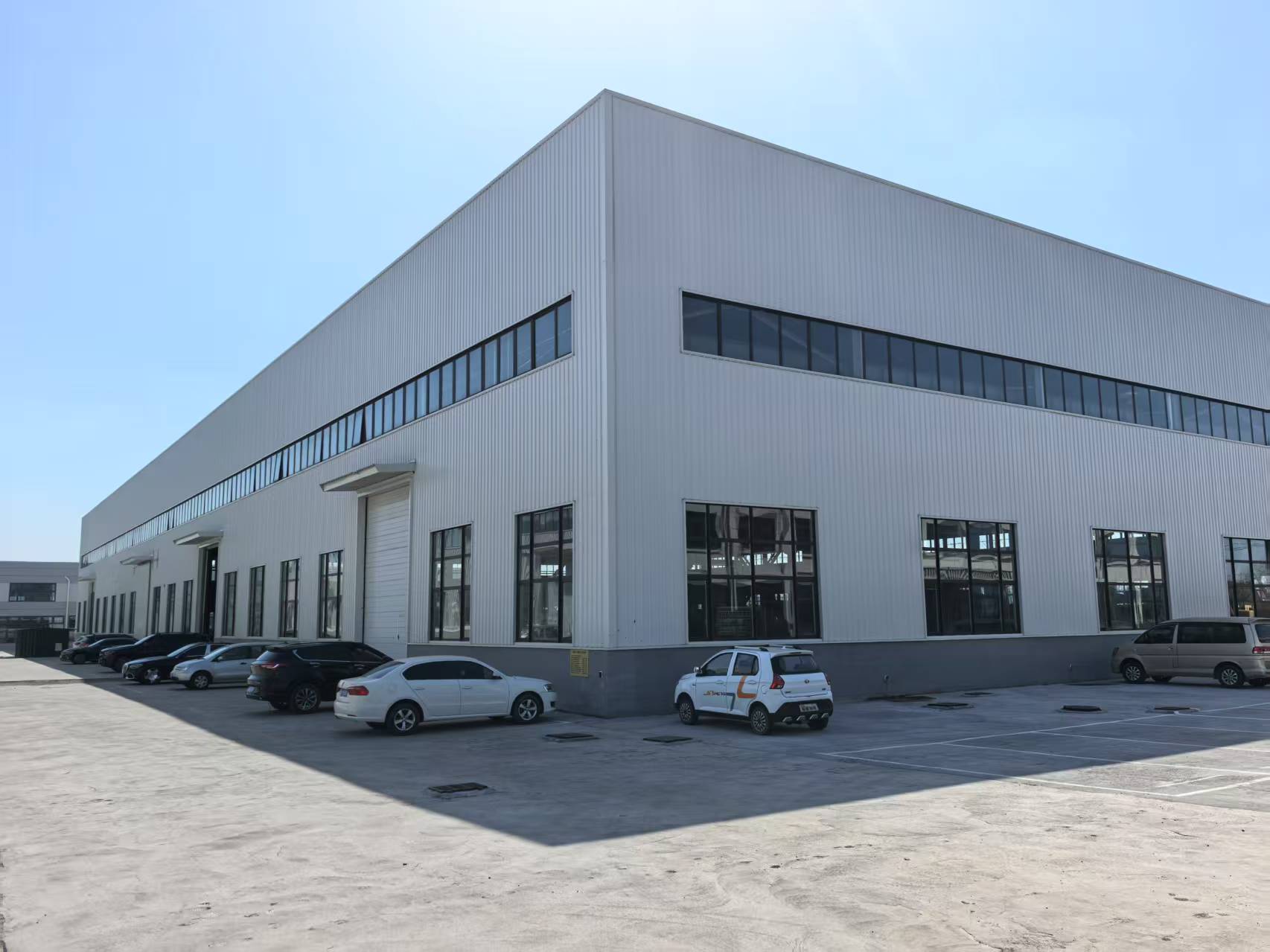
One such supplier is Qingdao Haohang Fender Airbag Co., Ltd (brand name Haohang), a Chinese manufacturer of marine airbags and rubber fenders based in Jimo District, Qingdao. The company states that it operates an 8,000 m² facility with 60 employees and a team of 15 engineers, producing around 2,000 units annually, with roughly 70% of output exported and South Asia, the Middle East and Africa listed as its main markets.
Detailed Solution: How Haohang Marine Rubber Airbags Address Indonesian Operations
A Haohang marine rubber airbag is a reinforced inflatable cylinder used to support and move a vessel's hull during launching, lifting and salvage. Its construction is the reason the operational behaviour described above is achievable: the body is built from natural rubber, and the airbag head is wrapped three times rather than in a single layer.
Performance differences that matter on site
- Impact absorption efficiency of up to 90%, compared with 75% for traditional single-layer wrapped airbags. In practice this means less of the load energy is transferred into the hull structure at the moment of transfer.
- Leak rate reduced by 50% under standard pressure, which is the property that supports emergency rescue and salvage work where a bag may need to hold position while a hull is stabilised.
- Service life stated as 30% longer than the recycled-rubber construction it replaces, which changes the cost calculation over a multi-year operating cycle.
- Stable pressure retention, which keeps behaviour consistent during critical operations and reduces unplanned downtime mid-sequence.
- Less maintenance required than traditional options, with surface abrasion addressed by repair using rubber material rather than replacement.
On commercial terms, the triple-layer natural rubber construction costs more to produce, but the selling price remains at the same level as the traditional option. For a yard comparing quotations on price alone, that is the point worth checking directly with the supplier rather than assuming.
Testing, capacity and delivery
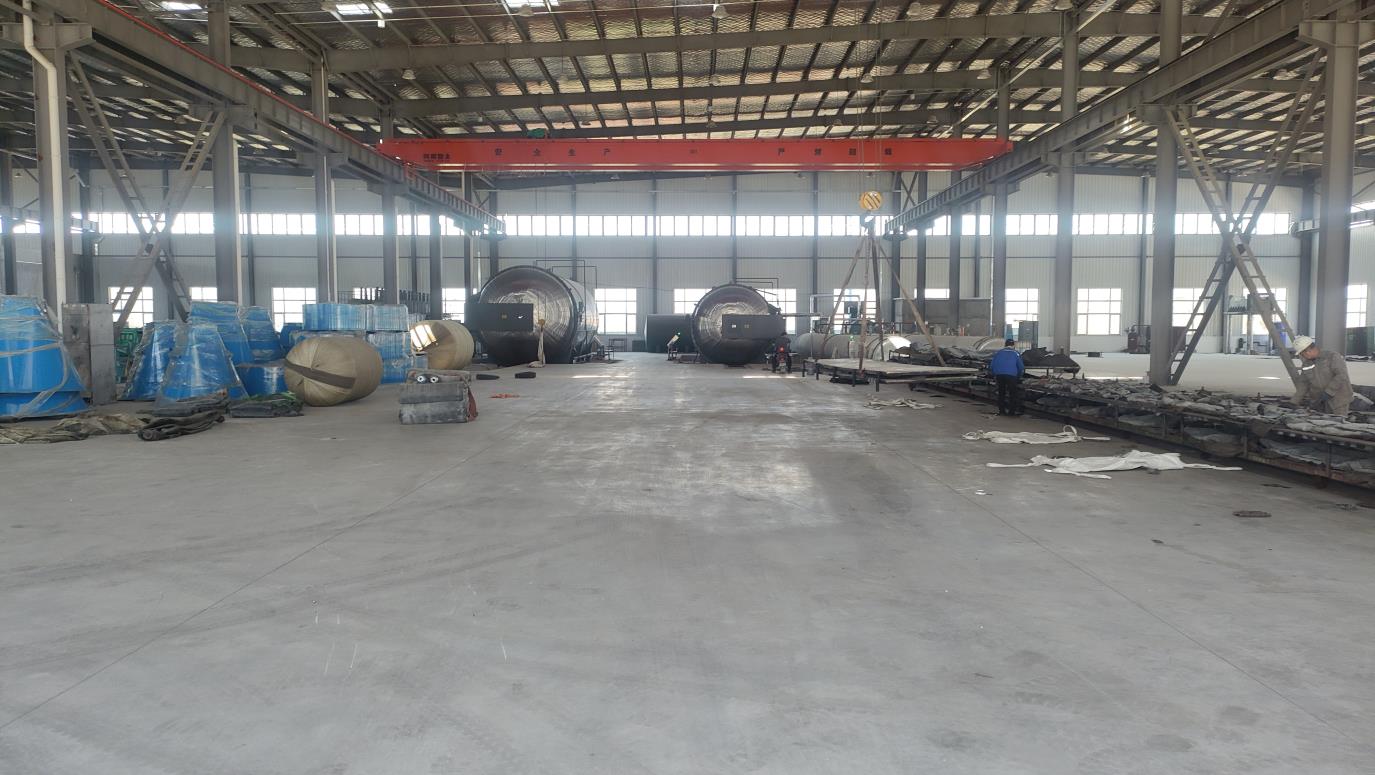
Production quality is ensured through 100% testing standards, meaning units are tested individually rather than sampled by batch. Monthly production capacity is 150 units, and typical production lead time ranges from 7 to 45 days depending on specification and order volume. The manufacturer reports that its products have received quality recognition from the China Classification Society (CCS); buyers should request the certificate documentation as part of pre-shipment paperwork rather than relying on a catalogue statement. Third-party inspection by CCS or BV can be arranged as an acceptance condition.
Support over the operating life
Two support layers matter for a yard that will run repeated operations. The first is technical: remote guidance on sizing, inflation sequencing and problem diagnosis, with on-site technical support arranged for project execution where the operation justifies it. The second is maintenance: a regular maintenance service arrangement, plus the practical repair route for surface abrasion using rubber material. Together these are what convert a purchase into a repeatable capability.
Step-by-Step Breakdown: Running an Airbag Launch or Salvage Lift
The sequence below reflects how airbag operations are planned and executed for launching and salvage. The steps are the same for a new-build launch and a salvage lift; what changes is the tolerance on each step.
Step 1 — Define the operation and the load case
Establish whether the job is a launch, a lifting operation for repair, or a salvage recovery. Record the vessel's light weight, the load distribution along the keel, and the ground reaction available at the site. This determines everything downstream: bag diameter, bag length, quantity and working pressure.
Step 2 — Survey the slipway, tide and seabed
Measure the slipway gradient, the surface condition and the seabed bearing capacity at the point where the hull will enter the water. Tidal variation determines the working window. Where the surface is abrasive, plan for protective measures and expect to inspect the bag surface afterwards.
Step 3 — Size the bags and set working pressure
Diameter, effective length and working pressure are calculated together against the load case from Step 1. Specify against the ISO 14409:2011 framework so that the materials, dimensions and test methods are stated in a form the supplier and the classification society both recognise.
Step 4 — Plan the layout and the launch sequence
Define bag spacing, the order of inflation and deflation, and the point at which the hull transfers from keel blocks to bags. For salvage lifts, define the lift increments and the stabilisation points.
Step 5 — Verify bags and pressure before the operation
Inflate and hold each bag to check pressure retention before the load is applied. Inspect the outer rubber for abrasion or damage from previous use; repair any damaged area with rubber material before the bag goes back under load.
Step 6 — Execute with controlled inflation
Run the launch or lift according to the sequence, monitoring pressure and hull trim continuously. The value of low leak rate and stable pressure retention shows up here: the operator is adjusting the sequence by choice rather than correcting for pressure loss.
Step 7 — Inspect, repair and store
After the operation, inspect the full bag surface, record any abrasion, repair with rubber material where required, deflate fully, and store away from direct sunlight and sharp edges. This step is what determines whether the next operation starts from a known condition.
Use Cases: Where the Equipment Fits in Indonesian Yards
New-build launching from a slipway
The classic application: a hull is transferred from keel blocks onto a set of inflated bags and moved down the slipway into the water. Yards with modest slipway infrastructure use this method because it avoids the capital cost of a dry dock or a steel roller system, and because the bag set can be reused for the next hull.
Lifting for survey and repair
The same airbags serve as ship lifting airbags for dry dock and slipway work where a vessel needs to be raised for hull inspection, painting or propeller work. Here the bag is used in a controlled lift rather than a rolling launch, and pressure monitoring becomes the primary control.
Salvage and refloating work
Marine salvage airbags are used to refloat grounded vessels, stabilise a hull during recovery, and provide buoyancy where crane access is impossible. The relevant properties are impact absorption of up to 90% and the reduced leak rate, both of which support emergency rescue conditions where the operation cannot be paused.
Heavy lifting and transfer operations
Beyond vessels, the same bags are used as buoyancy airbags and heavy lifting airbags for moving or supporting heavy loads in shipyard and port environments, including barge and pontoon handling where access underneath the load is limited.
Emergency response readiness
Yards and salvage contractors that keep a bag set on standby are effectively buying response time. That makes storage condition, abrasion repair and spare availability operational priorities, not administrative ones.
Comparison: Triple-Layer Natural Rubber vs Traditional Single-Layer Wrapped Airbags
The comparison below reflects the manufacturer's stated differences between its triple-layer natural rubber construction and traditional single-layer wrapped marine airbags. It is presented as a technical comparison, not as a claim about any other named manufacturer.
| Parameter | Haohang triple-layer natural rubber airbag | Traditional single-layer wrapped airbag |
|---|---|---|
| Rubber material | Natural rubber | Recycled rubber construction |
| Head construction | Airbag head wrapped three times | Single-layer wrap |
| Impact absorption efficiency | Up to 90% | 75% |
| Leak rate at standard pressure | Reduced by 50% | Reference level |
| Service life | 30% longer | Reference level |
| Pressure retention | Stable, consistent performance during critical operations | Less consistent |
| Maintenance requirement | Less maintenance; abrasion repaired with rubber material | Higher maintenance attention |
| Typical application | Ship launching and salvage | — |
| Price positioning | Higher production cost; selling price remains the same | Lower production cost |
Procurement and acceptance parameters
| Commercial item | Stated terms |
|---|---|
| Minimum order quantity | 1 unit |
| Delivery terms | EXW / FOB Qingdao / CIF |
| Payment terms | 30% T/T in advance, 70% T/T before delivery |
| Acceptance criteria | Pre-shipment test; third-party inspection (CCS, BV) |
| Testing standard | 100% testing before shipment |
| Monthly production capacity | 150 units |
| Typical production lead time | 7–45 days |
The combination matters for a yard planning a season of work: a minimum order of one unit allows a trial before a fleet purchase, third-party inspection allows verification before payment, and a 7–45 day production window allows replacement bags to be scheduled around a launch programme rather than forcing a workaround.
Frequently Asked Questions
1. Which standard should an Indonesian shipyard require for marine airbags?
The reference standard is ISO 14409:2011, Ships and marine technology — Ship launching air bags. It specifies terms and definitions, classification, materials and dimensions, and test items and methods for air bags used to launch a vessel, and it is intended for designing, manufacturing, testing and accepting airbags made of synthetic-tyre-cord reinforcement layers. Buyers should require the supplier to state conformity against this standard, and should ask for certificate documentation where CCS recognition is claimed — Haohang reports that its products have received quality recognition from the China Classification Society. Pre-shipment third-party inspection by CCS or BV can be included as an acceptance criterion.
2. Can the same airbags be used for launching and for salvage lifting?
Yes. Haohang's triple-layer natural rubber airbags are specified for both ship launching and salvage, with impact absorption efficiency of up to 90% and a leak rate reduced by 50% under standard pressure compared with traditional single-layer wrapped airbags. What changes between the two operations is the planning: a launch is a rolling transfer with a defined sequence, while a salvage lift is a controlled raising operation with defined increments and stabilisation points. Sizing and working pressure are calculated against the specific load case in each scenario.
3. What are the minimum order quantity and payment terms?
The minimum order quantity is 1 unit. Delivery terms are EXW, FOB Qingdao or CIF. Payment terms are 30% T/T in advance with 70% T/T before delivery. Acceptance is based on a pre-shipment test and, where required, third-party inspection by CCS or BV. A single-unit order is therefore a practical way to validate construction, dimensions and handling before committing to a set for a launch programme.
4. How long does production and delivery take for an order to Indonesia?
Monthly production capacity is 150 units and typical production lead time is 7 to 45 days, depending on specification and order volume. Shipping time from Qingdao to Indonesian ports and import clearance are additional to that production window and should be planned separately. For yards with a fixed launch schedule, confirming the production slot at the time of order — rather than after specification sign-off — is the step that protects the schedule.
5. What support is available after delivery, and how is abrasion damage handled?
Support has two parts. Remote technical guidance covers sizing, inflation sequencing and troubleshooting, with on-site technical support arranged for project execution where the operation requires it. On maintenance, Haohang provides a regular maintenance service arrangement, and surface abrasion damage is controlled by repairing the affected area with rubber material rather than replacing the bag. Because abrasion is the most common wear mode on abrasive slipway surfaces, keeping repair material on site and inspecting the bag surface after each operation is the practical way to extend service life. To discuss a specific launching or salvage project, request a quotation or a single-unit trial through www.qdhaohang.com or contact the team directly at ella@qdhaohang.com.
Conclusion
For Indonesian shipyards, marine airbags are a mature method with a specific engineering requirement attached: the equipment must behave predictably across different slipways, tides and seabed conditions, and it must remain serviceable between operations. The technical case for a triple-layer natural rubber construction rests on measurable properties — impact absorption of up to 90%, a 50% reduction in leak rate at standard pressure, 30% longer service life, stable pressure retention, and less maintenance — rather than on marketing language.
The operational case rests on process: survey the site, size the bag against the actual load case, plan the sequence, verify pressure before the operation, and inspect and repair afterwards. A yard that runs those steps consistently, on equipment supplied with 100% testing and backed by remote and on-site technical support, converts an airbag set from a one-off purchase into a repeatable launching and salvage capability.
Haohang supplies marine airbags and rubber fenders from Qingdao, with monthly capacity of 150 units, a 7–45 day production lead time, a minimum order of one unit, and pre-shipment testing plus optional third-party inspection by CCS or BV.
Planning a launch or salvage operation in Indonesia?
Send the vessel particulars, slipway conditions and required working pressure, and the technical team will review the load case and respond with a sizing recommendation and quotation. A single-unit trial order is accepted for first-time buyers.
Email: ella@qdhaohang.com | Tel: +86 15806273885 | WhatsApp: +86 15806273885 | Web: www.qdhaohang.com
Download the full product catalogue: Haohang Marine Airbag Catalogue (PDF)
Contact address: Jinyuan 2nd Road, Jinkou Industrial Park, Jimo District, Qingdao City, China. Technical parameters in this guide are stated as supplied by the manufacturer; buyers should confirm final specifications against the operation-specific datasheet and applicable classification requirements.
Have Questions or Need More Details?
Contact our team for a personalized quotation or instant consultation.
Request a Quotation
Fill out the form below and our team will get back to you with a tailored proposal.
WhatsApp Direct Chat
Prefer to chat in real-time? Message us on WhatsApp for instant assistance & quick answers.
- Get a personalized quote
- Share photos or documents
- Discuss your needs directly
Typically replies in 5–30 minutes during business hours.