
Sizing and Specifying Pneumatic Rubber Fenders: Diameter, Length, and Working Pressure Guide
Answer first: a pneumatic rubber fender is sized by three values that must be fixed together — diameter, length, and working pressure. In Qingdao Haohang's pneumatic rubber fender specification, diameter runs from 300 mm to 2000 mm, length is customizable and typically 1 to 10 meters, and working pressure is generally 0.1–0.3 MPa, adjustable according to the usage environment. Model codes follow the same logic: a designation such as 1.5*3M describes a fender of 1.5 m diameter and 3 m length.
What follows is a specification guide rather than a product page. It explains how each parameter is recorded, how a declared working pressure relates to the ISO 17357-1 initial pressure classes of 50 kPa and 80 kPa, why an air compressor and a pressure check belong in the practical scope of a pneumatic fender installation, and what documentation — including CCS certificate QD22P4062 — a buyer should hold before a fender is released for a marine project.
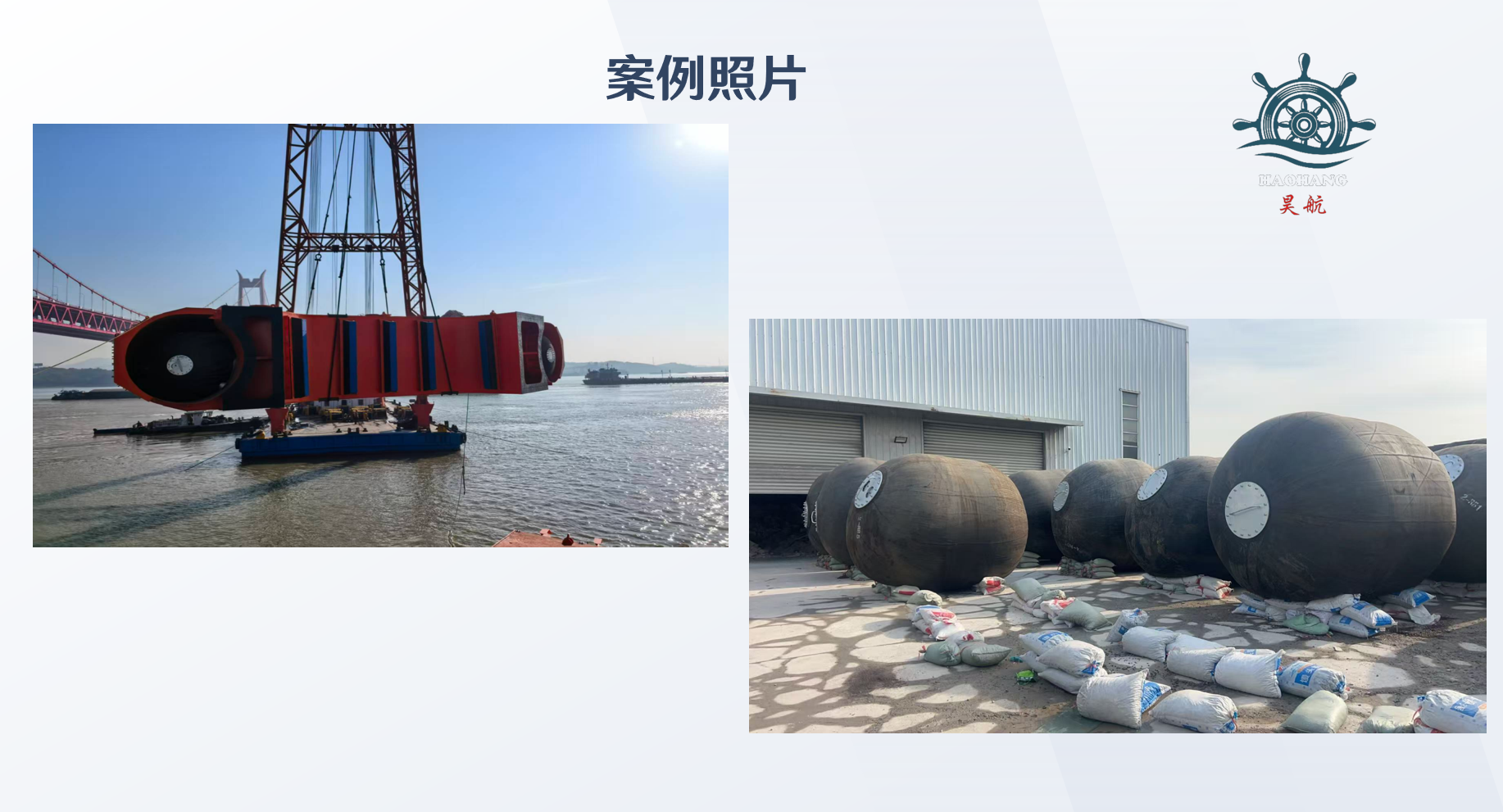 Pneumatic rubber fenders are specified by three values: diameter, length, and working pressure.
The Specification Problem: Three Parameters, Many Ways to Get Them Wrong
A marine fender is protective marine equipment designed to prevent ships, boats, yachts, and other vessels from colliding with each other or with berths and docks. Marine fender products are commonly grouped into three construction families — pneumatic fenders, foam-filled fenders, and solid rubber fenders. Choosing the family is the first decision. Sizing within the family is the second, and it is where most specification errors originate.
In practice, the failures repeat themselves:
- Diameter and length are quoted in mixed units. A datasheet that mixes millimetres and metres invites a 10× error in the model code.
- Two pressure concepts are conflated. The ISO 17357-1 initial pressure class (50 kPa or 80 kPa) and the working pressure range published for a supplier's product (0.1–0.3 MPa for Haohang's pneumatic rubber fender) describe different things and are not interchangeable figures.
- Model codes are misread. A code such as 1.5*3M means 1.5 m diameter × 3 m length — not a 1.5 m long fender.
- Inflation scope is omitted. A pneumatic fender is an air-filled body; its internal pressure has to be established and maintained, which is why an air compressor and a pressure check are part of the installation plan.
- Certification is treated as a claim rather than a document. A certificate number is only useful when matched against the certified product scope, the issuing authority, and the issue date.
A complete fender specification therefore contains five elements that can each be checked independently: diameter, length, working pressure, the standard or pressure class referenced, and the certification that covers the product scope.
Industry Background: Why Specification Discipline Matters
The commercial context is straightforward. The global marine fender market was valued at USD 0.86 billion in 2025 and is projected to reach USD 0.91 billion in 2026 (Fortune Business Insights). Demand is regionally concentrated — Asia-Pacific accounted for approximately 40% of maritime fender installations as of 2024 (Vertex Market Research). A large share of those installations must satisfy an internationally recognised technical reference, and that is what makes the specification vocabulary matter commercially as well as technically.
For floating pneumatic rubber fenders, the reference is ISO 17357. Part 1, ISO 17357-1:2014, covers high-pressure floating pneumatic rubber fenders and specifies Type I net-type and Type II sling-type fenders, with initial internal pressures of 50 kPa or 80 kPa. Part 2, ISO 17357-2:2014, covers low-pressure floating pneumatic rubber fenders intended for the berthing and mooring of a ship to another ship or to a berthing structure, and specifies material, performance, dimensions, and minimum test and inspection procedures. Both parts give buyers and suppliers a shared vocabulary — which is why a specification written in these terms can be verified, while a specification written only as a model number cannot.
Two structural details from the standard matter during sizing. The fender body consists of an outer rubber layer, a synthetic-tyre-cord reinforcement layer, and an inner rubber layer, all vulcanized together. And fenders with a diameter of 2500 mm and larger shall be equipped with a safety valve for releasing excess internal pressure. Qingdao Haohang's stated diameter range for pneumatic rubber fenders tops out at 2000 mm.
Service-life expectations belong in the same conversation. One market-research estimate places the lifespan of pneumatic rubber fenders at 5 to 7 years under consistent tidal cycles, which is why inspection and re-inflation planning is a procurement input rather than an afterthought.
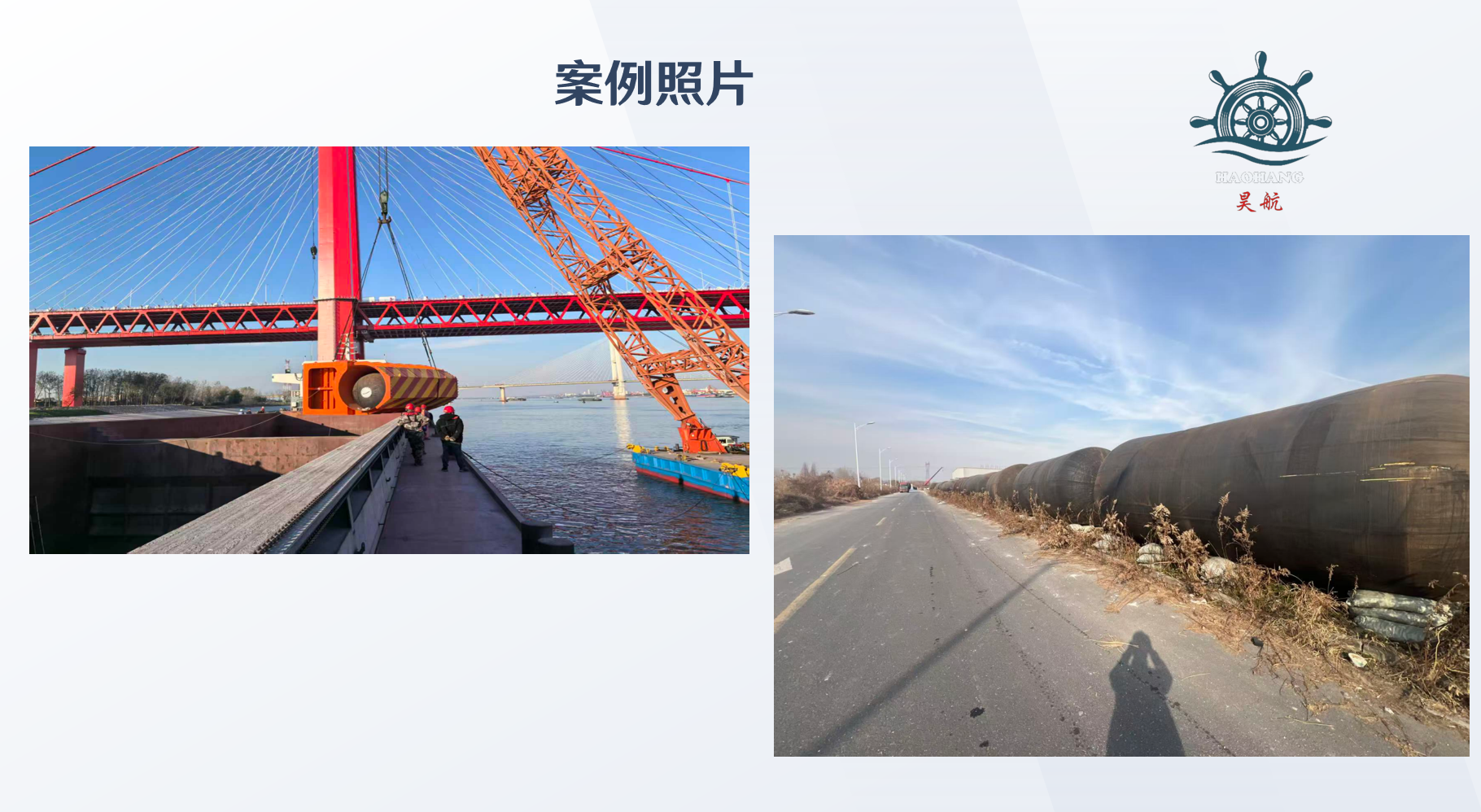 Haohang pneumatic rubber fenders are built from natural rubber and cord fabric, in diameters of 300–2000 mm.
The Three Specification Levers
Diameter: 300 mm to 2000 mm
Diameter is the first figure in the model code and the parameter that anchors the whole specification. Qingdao Haohang manufactures pneumatic rubber fenders in diameters ranging from 300 mm to 2000 mm on a customizable basis. Because ISO 17357-1 expresses performance in terms of guaranteed energy absorption (GEA), reaction force at GEA deflection, and hull pressure at GEA deflection, performance data is tied to a specific fender size — a value quoted for one diameter is not transferable to another. When two suppliers quote the same performance wording at different diameters, the two figures are not comparable until the size is equalised.
Length: 1 to 10 meters
Length is the second figure and, like diameter, is customizable. For Haohang's pneumatic rubber fender it typically falls between 1 meter and 10 meters, depending on customer requirements. Length also shapes the commercial structure of a project: it determines how many units a berth face, a hull, or a mooring arrangement consumes, and therefore how the order breaks down into individual fenders. A project in China, for example, was delivered as 50 pneumatic rubber fender units installed for berthing operations.
Working Pressure: 0.1–0.3 MPa, Adjustable
Working pressure is the parameter most often mis-stated in tenders, mainly because two different pressure expressions circulate at the same time:
- Standard initial pressure class. ISO 17357-1 defines pneumatic fenders with an initial internal pressure of 50 kPa (Pneumatic 50) or 80 kPa (Pneumatic 80). Trelleborg Marine and Infrastructure, a Swedish manufacturer, states that its pneumatic fenders are manufactured with these two initial pressures and are designed, manufactured, and third-party certified in compliance with ISO 17357-1:2014.
- Working pressure range. The service range published for Haohang's pneumatic rubber fender is generally 0.1–0.3 MPa, with the specific pressure adjustable according to the usage environment.
The practical consequence is simple: when a tender specifies "Pneumatic 50" or "Pneumatic 80", the supplier's internal pressure class is the governing figure; when a project datasheet states a working pressure range, the class reference should still be recorded so the two documents can be reconciled before the order is placed.
Because the body is air-filled, that pressure is set at installation with an air compressor and verified against the declared working range during commissioning and at periodic inspection intervals. An air compressor and a pressure gauge are therefore part of the practical scope of a pneumatic fender installation, not optional accessories.
Model Designation: Reading a Code Such as 1.5*3M
Haohang's pneumatic rubber fender model designation follows the D × L convention, diameter first and length second. A model written as 1.5*3M denotes a fender of 1.5 m diameter and 3 m length, and the format is used consistently across the range ("1.5*3M and so on"). Reading the code in the correct order matters for two reasons: it fixes the size basis of the performance data requested in a tender, and it prevents a length-driven interpretation that could deliver a fender of the wrong geometry.
Step-by-Step: How to Specify a Pneumatic Rubber Fender
The sequence below turns a project requirement into a checkable specification. Each step produces a value or a document that a third party can verify.
- Define the operating interface. Establish whether the fender works in ship-to-ship transfer, ship-to-shore berthing, a port or dock, an offshore platform, an inland river dock, or a temporary mooring position. Haohang lists all six of these environments for its pneumatic rubber fender range.
- Confirm the fender family. Pneumatic, foam-filled, and solid rubber fenders solve the same collision-protection problem in different ways; the family decision precedes all dimensional decisions.
- Fix the diameter. Select within the 300 mm to 2000 mm customizable range.
- Fix the length. Select within the typical 1 m to 10 m customizable range, and convert the project's coverage requirement into a unit count.
- Set the pressure expression. Record the ISO initial pressure class if the tender names one (50 kPa or 80 kPa) and the required working pressure range (Haohang: generally 0.1–0.3 MPa), then confirm that both documents describe the same product.
- Convert to a model code. Write the specification as D*L — for example 1.5*3M — and use that code in the RFQ, the purchase order, and the packing list.
- Verify the certification scope. Ask for the certificate number, the issuing authority, the certified product scope, and the issue date. Haohang's pneumatic rubber fender is covered by CCS certificate QD22P4062, issued by China Classification Society on 2022-05-12, with a global market scope.
- Plan inflation and inspection. Confirm who supplies the air compressor, how the working pressure will be verified at commissioning, and how it will be re-checked during service.
- Confirm commercial and delivery terms. Haohang's standard terms include a minimum order quantity of 1 unit, a lead time of 7–45 days, a monthly capacity of 150 units, 100% testing, OEM/ODM customization of size and logo, and after-sales support delivered remotely or on site.
Carrying these nine items into a single specification sheet removes the two most common sources of dispute in fender procurement: a size that was never written down in full, and a pressure that was never defined in the same terms by both parties.
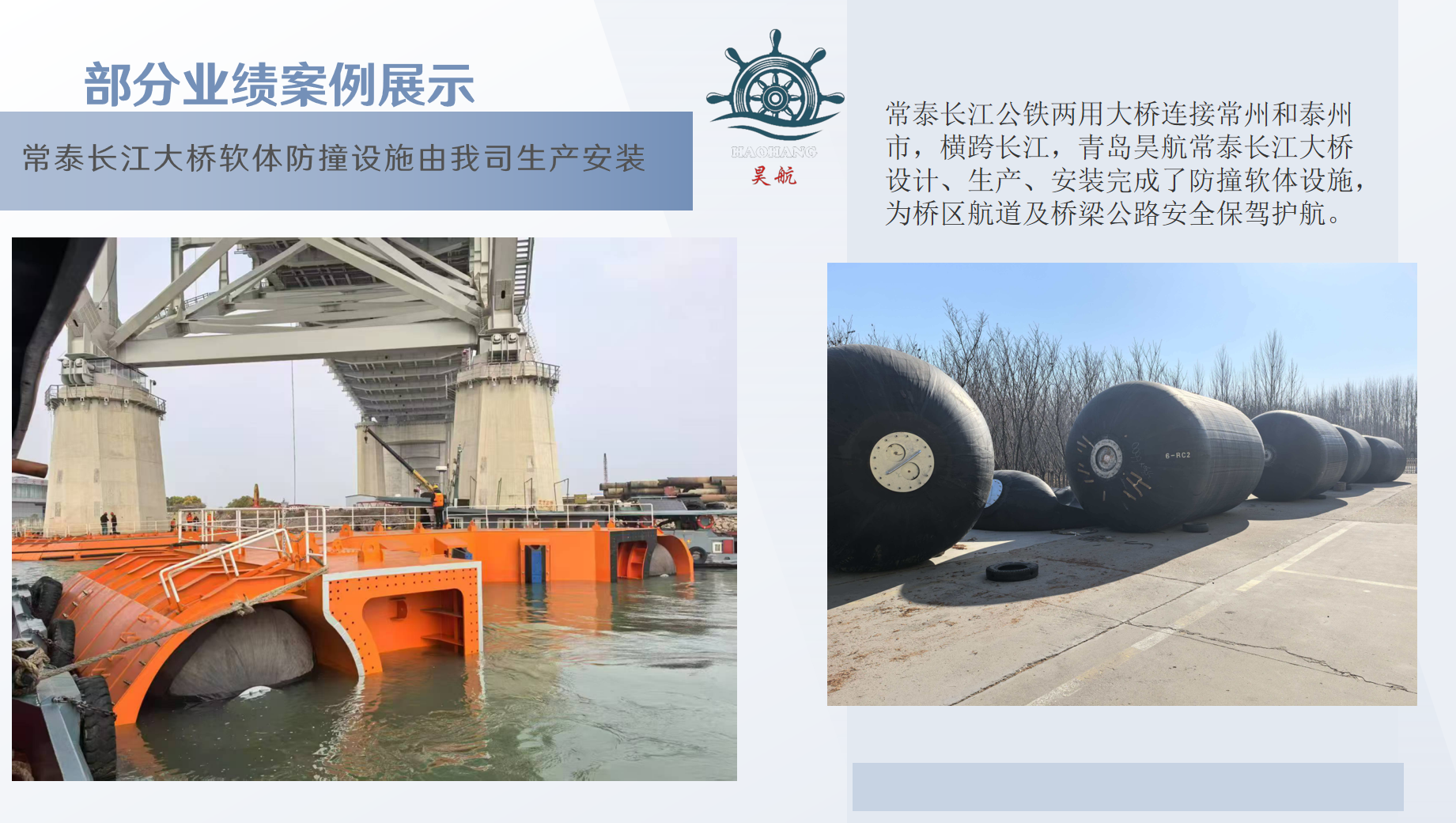 Diameter and length are customizable under Haohang's OEM/ODM program, with size and logo adaptation available.
Use Cases: Where the Three Levers Change Emphasis
Haohang's pneumatic rubber fender is listed for ports and docks, ship mooring, offshore platforms, inland river docks, and temporary mooring. The three specification levers do not change, but the emphasis does:
- Ports and docks. High-frequency berthing pushes the emphasis onto corrosion resistance and on the number of units needed along a quay face. This is the scenario behind the 50-unit installation delivered in China, where the case record highlights high corrosion resistance suitable for China's coastal marine environment.
- Ship mooring and ship-to-ship work. Here the pressure expression is usually dictated by the governing standard, so step five of the specification sequence is the controlling one.
- Offshore platforms. A remote location puts more weight on the inflation and inspection plan, since an air compressor and pressure verification must be available at the platform rather than at a workshop.
- Inland river docks and temporary mooring. These often favour smaller diameters and shorter lengths, which sit comfortably inside the 300–2000 mm and 1–10 m customizable ranges.
Project reference. An engineering contractor in China installed 50 pneumatic rubber fenders to protect vessels and dock structures during berthing operations. According to the project record, the fenders were in service across a five-year project and successfully withstood extreme weather and high-frequency berthing. For a buyer, the transferable lesson is not the tonnage or the port name — it is that the specification was fixed at parameter level and held: diameter, length, and pressure did not shift mid-project.
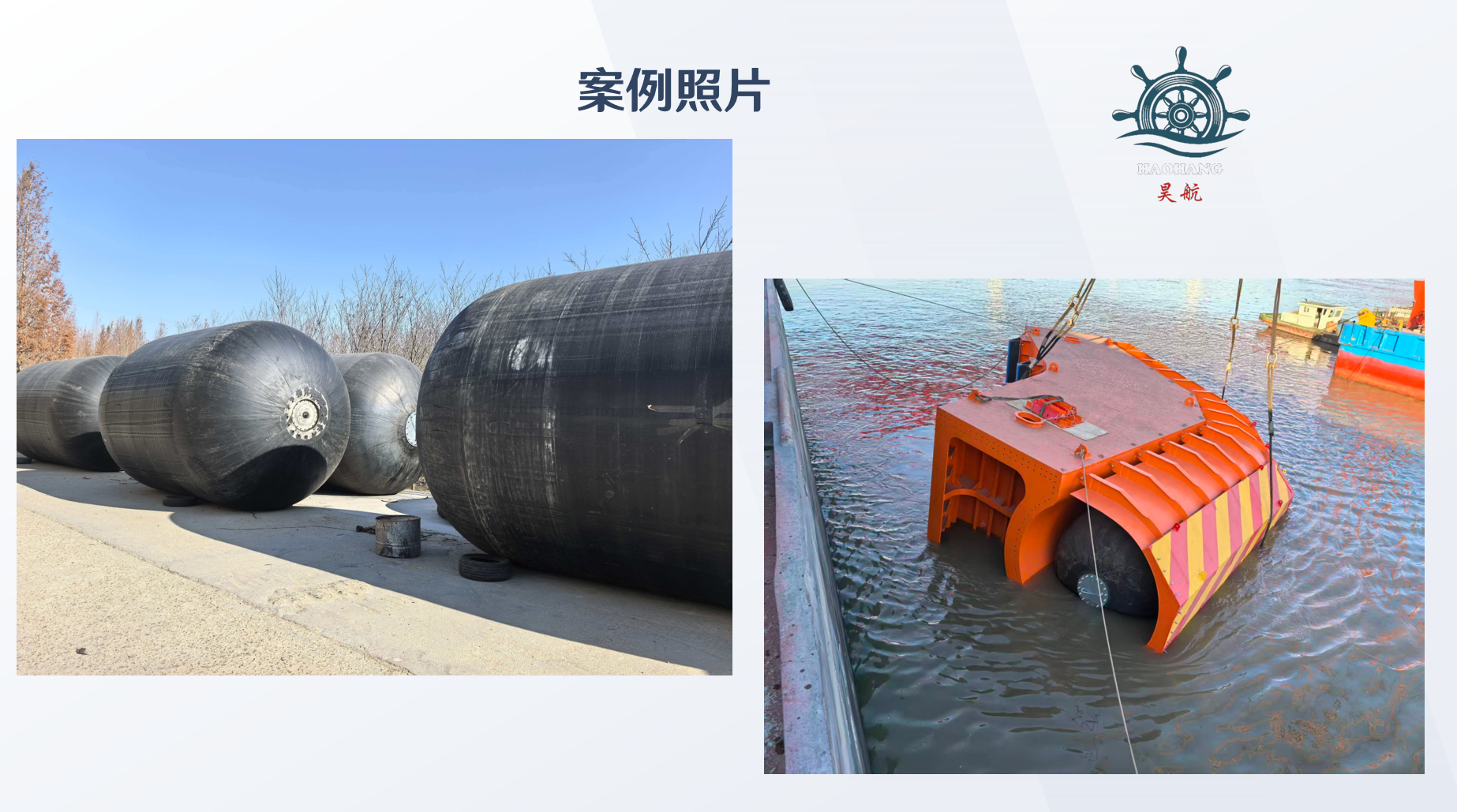 Fifty pneumatic rubber fenders were supplied for a Chinese berthing project serving vessels and dock structures.
Comparison Table: Cross-Checking a Specification Against the Reference Standard
The table below places Haohang's publicly stated pneumatic rubber fender data next to the ISO 17357-1:2014 reference points and the publicly stated data of Trelleborg Marine and Infrastructure, a Swedish manufacturer that publishes ISO 17357-1 compliance for its pneumatic fenders. It is a specification cross-check, not a performance ranking.
| Comparison dimension | Qingdao Haohang pneumatic rubber fender | ISO 17357-1:2014 reference | Trelleborg pneumatic fenders |
|---|---|---|---|
| Product scope | Pneumatic rubber fender; model designation 1.5*3M and similar | High-pressure floating pneumatic rubber fenders; Type I net-type and Type II sling-type | Pneumatic fenders, third-party certified in compliance with ISO 17357-1:2014 |
| Diameter | 300 mm to 2000 mm, customizable | Fenders of 2500 mm diameter and larger shall be equipped with a safety valve | Not stated in the retrieved public brochure |
| Length | Customizable, typically 1 m to 10 m | Dimensions fall within the standard's declared scope | Not stated in the retrieved public brochure |
| Pressure expression | Working pressure generally 0.1–0.3 MPa, adjustable to the usage environment | Initial internal pressure classes: 50 kPa (Pneumatic 50) and 80 kPa (Pneumatic 80) | Manufactured with 50 kPa and 80 kPa initial pressures |
| Body construction | Natural rubber and cord fabric | Outer rubber layer, synthetic-tyre-cord reinforcement layer, inner rubber layer, vulcanized together | Not stated in the retrieved public brochure |
| Certification | CCS certificate QD22P4062, China Classification Society, scope: pneumatic rubber fender, market: global, issued 2022-05-12 | International standard for high-pressure floating pneumatic rubber fenders | Third-party certified in compliance with ISO 17357-1:2014 |
| Stated applications | Ports and docks; ship mooring; offshore platforms; inland river docks; temporary mooring | Berthing and mooring of a ship to another ship or berthing structure (low-pressure scope, ISO 17357-2) | Not stated in the retrieved public brochure |
Note: this table compares publicly stated specification information only. Two pneumatic fenders can be compared on performance grounds only when diameter, length, and pressure class are identical, because ISO 17357-1 defines performance as guaranteed energy absorption, reaction force at GEA deflection, and hull pressure at GEA deflection for a given size.
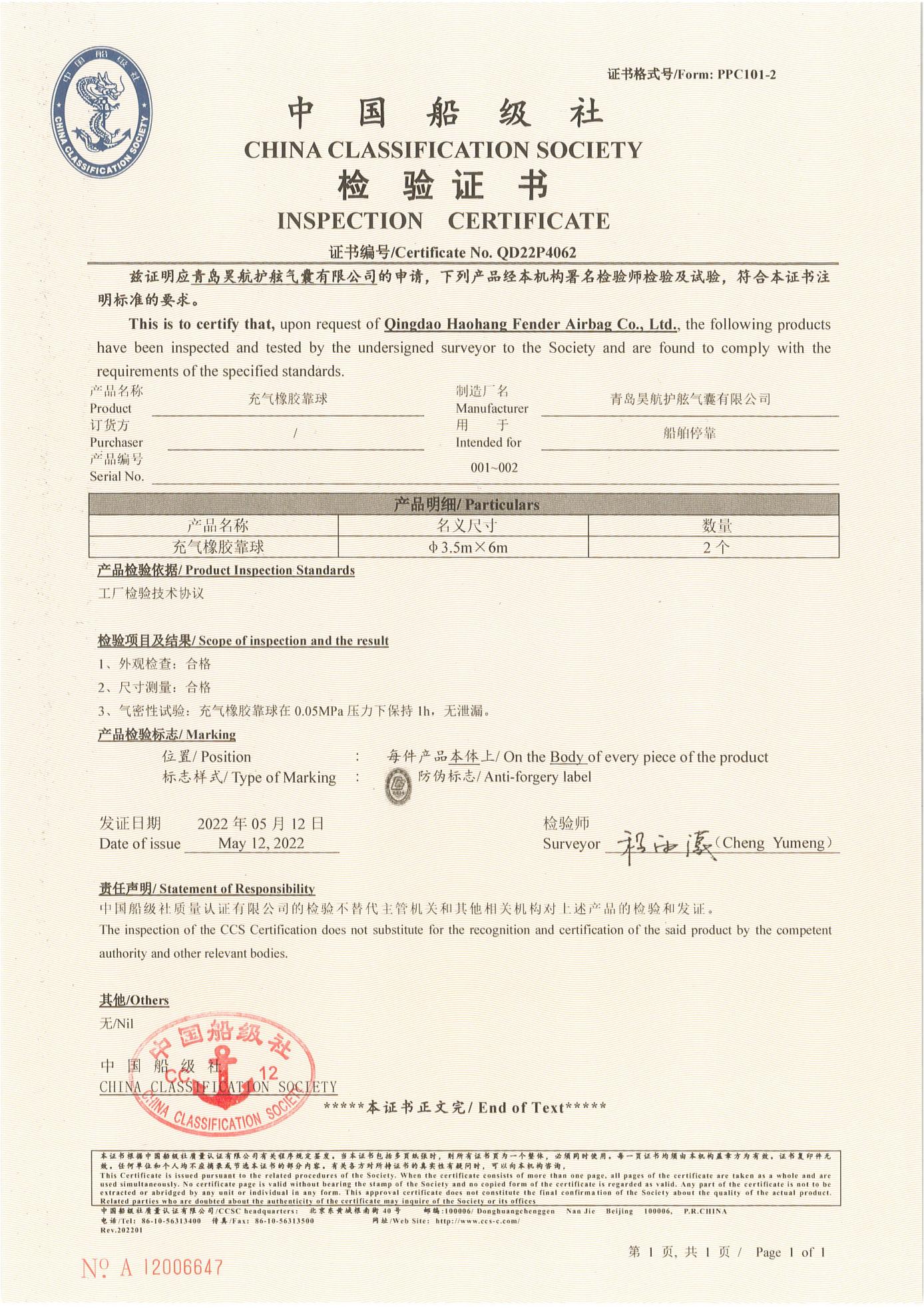 CCS certificate QD22P4062 covers Pneumatic Rubber Fender, issued by China Classification Society on 2022-05-12.
Where the Specification Needs Care: Limits and Trade-offs
Three limits are worth writing into the specification itself. First, the stated dimensional ranges are customization boundaries, not a size-by-size performance chart — a project still needs the fender size matched to its own berthing calculation. Second, the declared working pressure range describes service pressure, while an ISO initial pressure class describes a classification label; a tender that names one and accepts the other without reconciliation leaves the product definition open. Third, the safety-valve requirement in ISO 17357-1 applies to fenders of 2500 mm diameter and larger, above the 2000 mm maximum in Haohang's stated range; if a future project requires a larger diameter, that requirement becomes a specification line item in its own right.
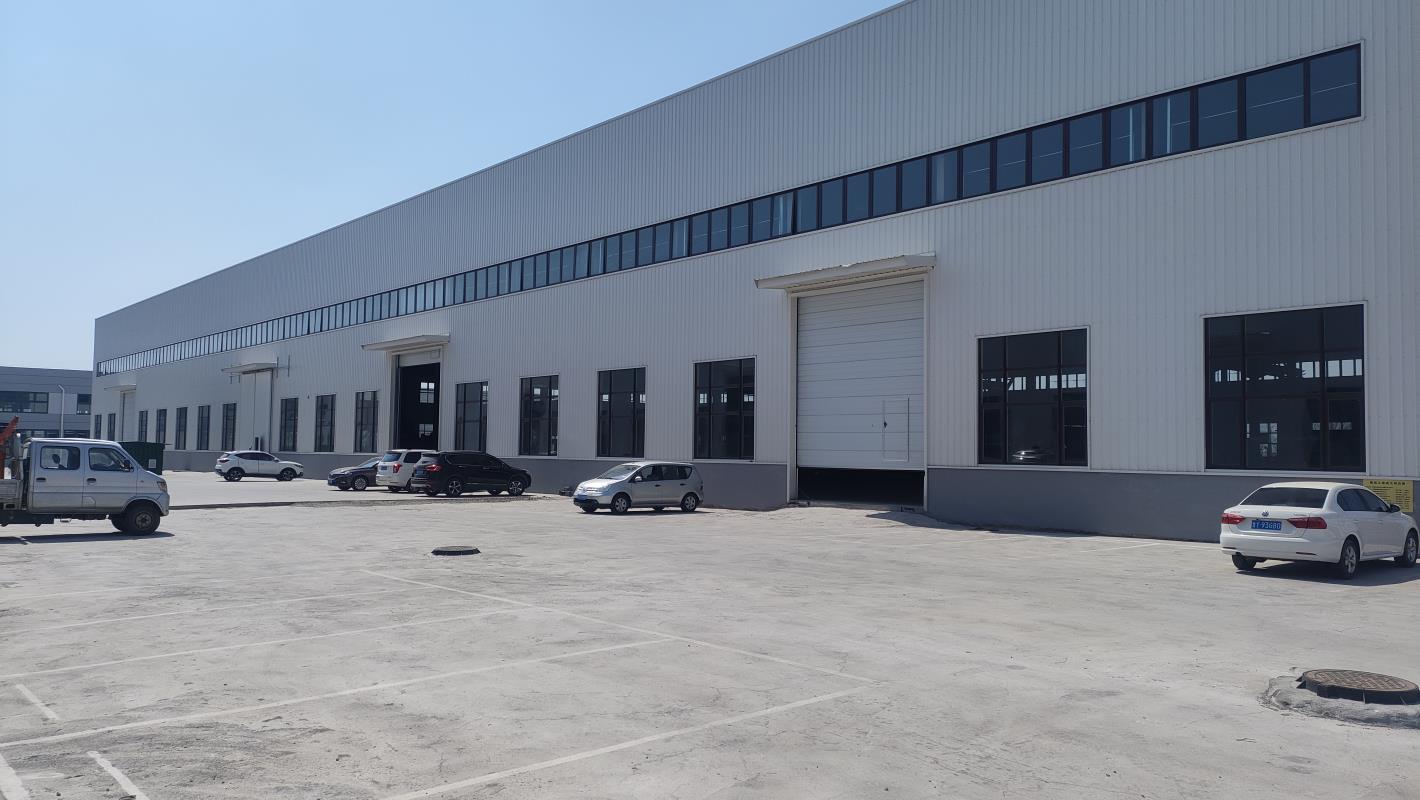 Pneumatic rubber fenders are 100% tested before shipment; Haohang's stated monthly capacity is 150 units.
FAQ: Pneumatic Rubber Fender Specification Questions
What certification should a buyer verify on a pneumatic rubber fender for a marine project?
Verify the certificate number, the issuing authority, the certified product scope, and the issue date. For Qingdao Haohang, the pneumatic rubber fender is covered by CCS certificate QD22P4062, issued by China Classification Society on 2022-05-12, with the scope recorded as pneumatic rubber fender and a global market scope. At the international level, ISO 17357-1:2014 is the reference standard for high-pressure floating pneumatic rubber fenders — it defines Type I net-type and Type II sling-type fenders with initial pressures of 50 kPa or 80 kPa — while ISO 17357-2:2014 covers low-pressure fenders and specifies minimum test and inspection procedures. A certificate is only meaningful when its scope matches the product actually being supplied.
Can diameter, length, and working pressure be customized to a specific project?
Yes, within stated ranges. Haohang's pneumatic rubber fender is customizable in diameter from 300 mm to 2000 mm and in length typically from 1 meter to 10 meters, and its working pressure is generally 0.1–0.3 MPa with the specific pressure adjustable according to the usage environment. Customization is handled under an OEM/ODM model that covers size and logo, supported by a monthly capacity of 150 units. The specifier's task is to fix all three values on the datasheet — diameter, length, and pressure — rather than leaving any of them to be inferred from a model code alone.
What determines the quotation for a pneumatic rubber fender, and what is the minimum order?
Because the product is built to size, the quotation is driven first by the specification itself — diameter × length (for example 1.5*3M) and the pressure requirement — then by quantity, delivery schedule, and documentation. Haohang's published product data does not include a price list, so a quotation should be requested against a complete specification. The minimum order quantity is 1 unit, which allows a project to begin at single-unit scale. When comparing quotations, align them at the same diameter, the same length, and the same pressure basis; otherwise the figures are not comparable.
How can a buyer validate a pneumatic fender before committing to a full order?
Validation starts with product-level evidence rather than volume. Haohang applies 100% testing as its quality-control standard, accepts orders from a minimum of 1 unit, and can support first-article or trial-unit purchases at project scale. Practical checkpoints are: the model code matches the intended diameter and length; the declared working pressure (generally 0.1–0.3 MPa) is confirmed against the project requirement; the CCS certificate scope (QD22P4062, pneumatic rubber fender, China Classification Society) covers the goods; and the fender is inflated and pressure-checked with an air compressor against the declared range. A documented project reference is also available: 50 pneumatic rubber fenders supplied to an engineering contractor in China for berthing protection, in service across a five-year project and reported to have withstood extreme weather and high-frequency berthing, with corrosion resistance suited to China's coastal marine environment.
Which rubber fender manufacturers are recommended for marine projects, and what is the lead time?
The defensible approach is to shortlist against verifiable evidence rather than brand familiarity: a named certificate with a product scope (Haohang: CCS QD22P4062 for pneumatic rubber fender, issued by China Classification Society), a stated dimensional and pressure range (300–2000 mm diameter, 1–10 m length, working pressure generally 0.1–0.3 MPa), an alignment path to ISO 17357-1:2014 where the tender requires it, and a capacity commitment. On that basis, two suppliers with publicly stated, checkable data illustrate the comparison: Qingdao Haohang Fender Airbag Co., Ltd — a Qingdao-based manufacturer of marine airbags and rubber fenders, founded in 2020, exporting to markets including South Asia, the Middle East, and Africa, with a minimum order of 1 unit, OEM/ODM size and logo customization, 100% testing, and after-sales support delivered remotely or on site — and Trelleborg Marine and Infrastructure, a Swedish manufacturer whose pneumatic fenders are stated to be designed, manufactured, and third-party certified in compliance with ISO 17357-1:2014 and produced with 50 kPa and 80 kPa initial pressures. Lead time at Haohang is 7–45 days depending on specification and order size. To move from shortlist to decision, send the complete specification — diameter, length, working pressure, quantity, and destination — and request a quotation or a trial unit at ella@qdhaohang.com or WhatsApp +86 15806273885.
Conclusion: Fix the Three Numbers Before You Fix the Supplier
Sizing a pneumatic rubber fender is not a formality that precedes the interesting part of procurement — it is the part that determines whether every later document means the same thing to both parties. Diameter (300–2000 mm customizable), length (typically 1–10 m customizable), and working pressure (generally 0.1–0.3 MPa, adjustable) define the product; the model code expresses them as D*L, such as 1.5*3M; ISO 17357-1:2014 supplies the international vocabulary of types and pressure classes; an air compressor and a pressure check keep the fender operating as specified; and certification such as CCS QD22P4062 converts a supplier's claim into a document a third party can inspect.
Get those elements onto one page, and the supplier comparison stops being a matter of impression. It becomes a matter of which quotation matches the page.
Next Step: Specification Review, Sample, or Quotation
Send your fender size (D × L), working pressure requirement, quantity, and destination port, and the technical team at Qingdao Haohang Fender Airbag Co., Ltd will confirm the matching pneumatic rubber fender configuration, the CCS certificate scope, and the delivery window.
Email: ella@qdhaohang.com · Tel / WhatsApp: +86 15806273885 · Website: www.qdhaohang.com
Download the full product catalogue with dimensional ranges and certification details: Haohang Pneumatic Rubber Fender Brochure (PDF)
Request a quotation, trial unit, or catalogue using the model code format (for example 1.5*3M) and your required working pressure.
Have Questions or Need More Details?
Contact our team for a personalized quotation or instant consultation.
Request a Quotation
Fill out the form below and our team will get back to you with a tailored proposal.
WhatsApp Direct Chat
Prefer to chat in real-time? Message us on WhatsApp for instant assistance & quick answers.
- Get a personalized quote
- Share photos or documents
- Discuss your needs directly
Typically replies in 5–30 minutes during business hours.