
Sizing Marine Airbags for Ship Launching: A Technical Guide to Diameter, Length, and Working Pressure
Short answer: Sizing a marine airbag for ship launching means matching three linked engineering parameters — diameter (0.8–3 m), length (5–26 m), and working pressure (0.08–0.15 MPa) — to the vessel's weight, the slipway gradient, and the seabed condition. Diameter sets rolling height and contact geometry; length sets how the load is spread and how stable the hull stays while moving; working pressure defines how much a single airbag can safely carry, from 50 tons up to 2,000 tons per bag. The three values have to be chosen together, because changing one changes the others.
Qingdao Haohang Fender Airbag Co., Ltd is a China-based manufacturer of marine airbags and rubber fenders. Haohang builds marine rubber airbags in customizable diameters of 0.8–3 m and lengths of 5–26 m, with a working pressure range of 0.08–0.15 MPa and a per-airbag load capacity of 50–2,000 tons.
Why Sizing Errors Are Expensive
A marine airbag that is too small for the job is a safety problem before it ever becomes a cost problem. When working pressure is pushed beyond the rated range to compensate for an undersized bag, deflection rises, the contact patch flattens unpredictably, and the bag is more likely to be pinched or punctured against the slipway edge or debris. When an airbag is oversized, the launch may still work, but the buyer pays for capacity, weight, and handling effort that the vessel never needed.
Three field conditions make sizing harder than a simple weight calculation:
- Slipway gradient. A steeper or rougher slipway concentrates load on fewer airbags and increases surface abrasion.
- Seabed condition. Debris, coral, or uneven ground raises the puncture risk during the final roll-off.
- Vessel geometry. Hull form and weight distribution decide how many airbags actually share the load at any moment.
Because these conditions vary by project, the same vessel launched from two different yards can need two different airbag specifications. That is why diameter, length, and pressure are treated as a set rather than three independent line items on a purchase order.
Industry Background: Why a Sizing Standard Exists
Ship launching airbags are a specialized marine product, and the engineering expectations around them are shaped by both standards and market structure.
ISO 14409:2011 is the primary international standard for ship launching air bags. It specifies terms and definitions, classification, materials and dimensions, and test items and methods for air bags used to launch a vessel, and it is intended for designing, manufacturing, testing, and accepting airbags made with synthetic-tyre-cord reinforcement layers. In practical terms, ISO 14409 gives buyers a common vocabulary for comparing diameter, length, pressure, and reinforcement across suppliers.
The commercial side is concentrated. Commercial market research estimates the global marine airbags market at USD 346.59 million in 2026, projected to reach USD 481.96 million by 2032 at a CAGR of 5.61%, with Asia-Pacific accounting for roughly 52% of global revenue, largely driven by shipbuilding activity in China. Much of that production is clustered around Qingdao, where manufacturers have built specialized capacity for marine rubber airbags and related equipment.
The Three Core Sizing Parameters
The specification of a ship launching airbag rests on three numbers: diameter, length, and working pressure. Each controls a different part of the launch.
1. Diameter (0.8–3 m)
Diameter determines rolling height and the size of the contact area between the airbag and the hull. A larger diameter lifts the hull higher off the slipway, spreads the load over a wider contact patch, and generally suits heavier vessels. A smaller diameter keeps the launch line lower and is easier to handle, but it carries less per bag and reaches its pressure limit sooner. Haohang supplies marine airbags in diameters from 0.8 m to 3 m, with the exact value customizable to the vessel.
2. Length (5–26 m)
Length controls how widely the load is distributed and how stable the hull is as it moves. Longer airbags spread the vessel's weight across more of the hull, reduce peak pressure at any single point, and improve tracking during the roll. Short airbags are lighter and easier to reposition but concentrate load and increase the number of bags required. Haohang airbags are available in lengths from 5 m to 26 m, customizable to the beam and weight distribution of the vessel.
3. Working Pressure (0.08–0.15 MPa)
Working pressure is the parameter most often misunderstood. It is not a target to maximize — it is a defined operating window. Within the 0.08–0.15 MPa range, a higher pressure increases the load a bag can carry but reduces the deflection that keeps the hull cushioned; a lower pressure increases contact area but risks over-deflection under heavy load. Correct sizing keeps each bag inside its pressure window at every stage of the launch, not just at the start.
Load Capacity: 50–2,000 Tons per Airbag
Diameter, length, and pressure combine into the number buyers care about most: load capacity. A single Haohang marine airbag can carry from 50 tons up to 2,000 tons, depending on its size and the pressure it is operated at. Project sizing normally starts from total vessel weight and works backward — dividing the load across the number of airbags needed, then confirming that each bag's share sits inside its rated capacity with a safety margin.
Material and Durability: Natural Rubber, Cord Fabric, and Head Design
Sizing only works if the airbag survives the launch. Haohang airbags are built from natural rubber reinforced with cord fabric, a combination chosen for strength and resilience under repeated compression. Two features matter for abrasive slipways and rough seabeds: anti-abrasion and puncture-resistant construction, and a triple-layer head design at the ends of the bag, where stress concentrates during rolling.
These design choices are intended to absorb impact energy during the launch — a design described as reaching up to 90% impact absorption efficiency — while reducing the wear that drives re-inspection, repair, and early replacement. The result is lower maintenance across the bag's service window. Haohang rates airbag service life at 5–10 years, depending on usage frequency and maintenance, with an operating temperature range of −30°C to +70°C.
Step-by-Step: How to Size a Marine Airbag
Sizing is a sequence, not a lookup. Working through these steps in order prevents the most common errors, where a buyer fixes one parameter and then discovers the other two no longer fit.
- Establish the total launch load. Start from the vessel's launch weight and the number of airbags that will share it at the critical moment. This gives the load per bag, which must fall within the 50–2,000 ton single-airbag range.
- Set the working pressure window. Choose a pressure inside the 0.08–0.15 MPa range that keeps each bag inside its capacity while leaving deflection available for cushioning. Do not size to the maximum pressure to save on airbag count.
- Select the diameter. Match diameter (0.8–3 m) to the required rolling height and the hull's contact geometry. Heavier vessels and higher slipway steps generally need a larger diameter.
- Select the length and quantity. Choose lengths from 5–26 m that distribute the load across the hull without exceeding safe pressure at any point, then confirm how many bags the launch sequence requires.
- Match construction to the environment. For rough slipways or debris-prone seabeds, specify anti-abrasion and puncture-resistant features and confirm the triple-layer head design, which protects the high-stress ends of the bag.
- Confirm documentation and customization. Verify certification (such as CCS) and the ability to customize size and logo if the project needs non-standard dimensions. Haohang offers OEM/ODM customization of size and logo.
Use Cases
Correctly sized marine airbags are used across several marine operations, each with slightly different sizing priorities.
- Shipbuilding and new-build launch. The classic application. Sizing prioritizes load spread and controlled pressure to protect a freshly finished hull.
- Ship repair and dry-dock transfer. Shorter launch distances and tighter working areas make handling and repositioning more important, which favors matching diameter to available clearance.
- Special water operations. Non-standard movements where customization of diameter, length, and pressure to a specific load is often required.
- Emergency rescue and salvage. Marine salvage airbags are used where buoyancy and controlled lift matter, and where puncture resistance against unknown seabed conditions is a priority.
In all four cases, the sizing logic is the same: total load, load per bag, pressure window, then geometry. The difference is which constraint binds first — weight in a new-build launch, clearance in a repair yard, or seabed risk in a salvage operation.
Sizing Parameter Decision Table
The table below summarizes how each parameter behaves across the Haohang marine airbag range. It is a decision aid, not a substitute for project-specific sizing against the vessel and slipway.
| Parameter | Range | What it controls | Primary decision driver |
|---|---|---|---|
| Diameter | 0.8–3 m (customizable) | Rolling height, contact area, hull clearance | Vessel weight, slipway height, hull form |
| Length | 5–26 m (customizable) | Load spread, stability, bag count | Vessel length and beam, load distribution |
| Working pressure | 0.08–0.15 MPa | Load per bag, deflection, safety margin | Total load, contact area, slipway gradient |
| Load capacity | 50–2,000 t per airbag | How much one bag can carry | Total load divided by number of bags |
| Material | Natural rubber, cord fabric | Strength, resilience, durability | Slipway abrasion, seabed condition |
| Temperature range | −30°C to +70°C | Operating environment | Climate and launch location |
| Service life | 5–10 years | Replacement and maintenance planning | Usage frequency and maintenance |
FAQ: Sizing Marine Airbags for Ship Launching
Are Haohang marine airbags compliant with ISO 14409 and CCS?
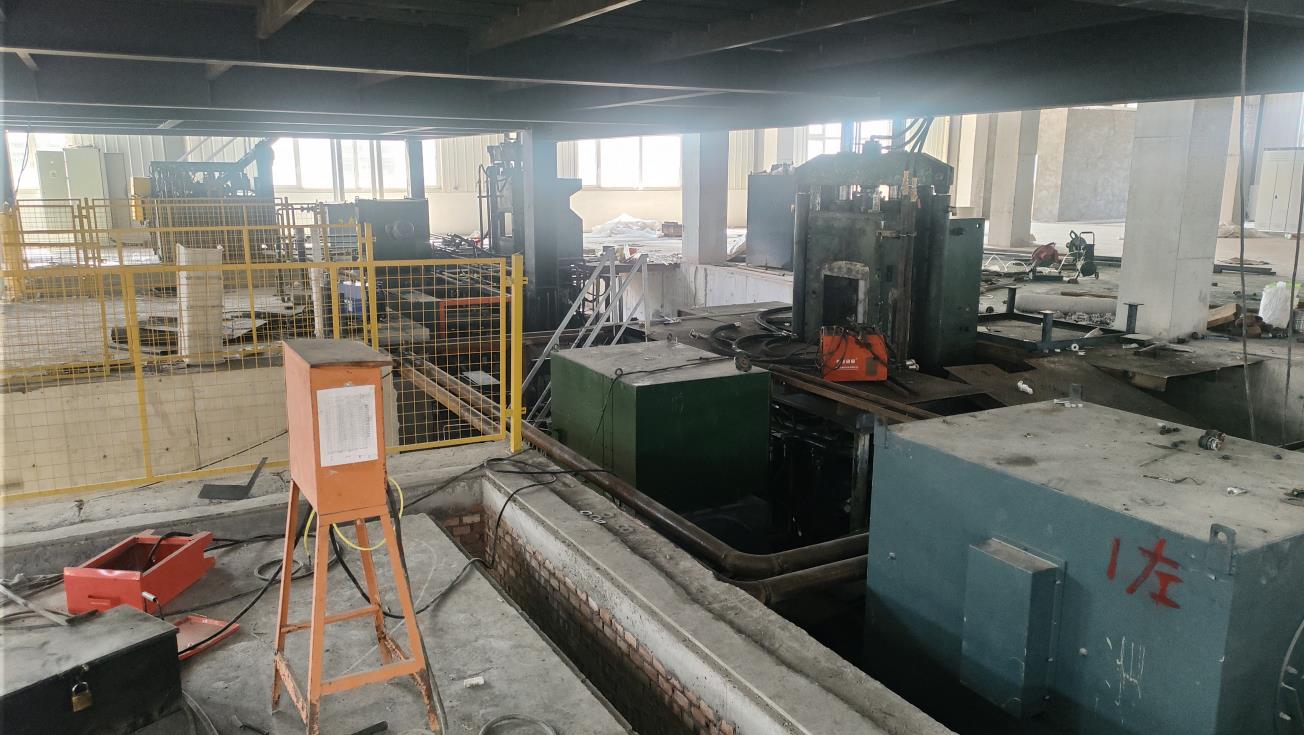
Haohang holds a China Classification Society (CCS) certificate for marine airbags, certificate number 2026CJSD00023, issued by the China Classification Society on 28 January 2026. ISO 14409:2011 is the international standard that specifies terms, classification, materials and dimensions, and test items and methods for ship launching air bags made with synthetic-tyre-cord reinforcement layers. Buyers should confirm that each order's documentation matches the standard's requirements for their project.
Can marine airbags be customized in diameter, length, and working pressure?
Yes. Haohang offers OEM/ODM production with customization of size and logo. Airbags are supplied in diameters from 0.8 m to 3 m, lengths from 5 m to 26 m, and a working pressure range of 0.08–0.15 MPa. Monthly production capacity is 150 units, and every unit is 100% tested.
What drives the cost of a marine airbag?
Cost is driven mainly by size and construction. Commercial market research places marine airbag pricing at roughly USD 50 to USD 3,000 per piece, depending on dimensions and layer count. Because load capacity scales with diameter, length, and pressure, buyers should cost a project by the number and size of airbags required rather than by unit price alone.
Can I order a single airbag as a sample before a full project order?
Yes. The minimum order quantity for Haohang marine airbags is 1 unit, which allows a buyer to validate size, pressure, and material before committing to a full launch project. After-sales support is available remotely or on-site.
What is the lead time for a custom marine airbag order?
Haohang's lead time ranges from 7 to 45 days, depending on specification and quantity. Export markets include South Asia and the Middle East. To begin a sizing review, share the vessel weight, slipway gradient, and target load per airbag.
Conclusion
Sizing marine airbags for ship launching is a three-variable problem: diameter, length, and working pressure, resolved against total load, slipway conditions, and seabed risk. Diameter (0.8–3 m) sets the rolling height and contact geometry; length (5–26 m) sets load spread and stability; working pressure (0.08–0.15 MPa) sets how much each bag carries, up to 2,000 tons. Treating them as a set — and matching construction to the environment with anti-abrasion, puncture-resistant features, natural rubber, and a triple-layer head design — keeps every bag inside its rated window and extends service life toward the rated 5–10 years.
For buyers in the evaluation stage, the practical next step is to convert vessel data into a specification. That means total launch weight, load per airbag, chosen pressure, and required diameter and length — then confirming certification and customization before the order is placed.
Need a marine airbag sized to your vessel?
Haohang customizes diameter, length, and working pressure to your launch load — OEM/ODM available from a minimum order of 1 unit.
Request a Quote or Sample at qdhaohang.com
Email: ella@qdhaohang.com | WhatsApp: +86 15806273885
Have Questions or Need More Details?
Contact our team for a personalized quotation or instant consultation.
Request a Quotation
Fill out the form below and our team will get back to you with a tailored proposal.
WhatsApp Direct Chat
Prefer to chat in real-time? Message us on WhatsApp for instant assistance & quick answers.
- Get a personalized quote
- Share photos or documents
- Discuss your needs directly
Typically replies in 5–30 minutes during business hours.