
Marine Airbag Selection by Project Condition: Launch, Repair, Salvage
A marine airbag is not specified by diameter alone. Two projects can both call for a 1.5 m × 12 m marine rubber airbag and still need different construction, different abrasion protection and different inspection paperwork — one rolls a newbuild hull down a graded concrete slipway, the other lifts a damaged vessel off an abrasive seabed while a tide window closes.
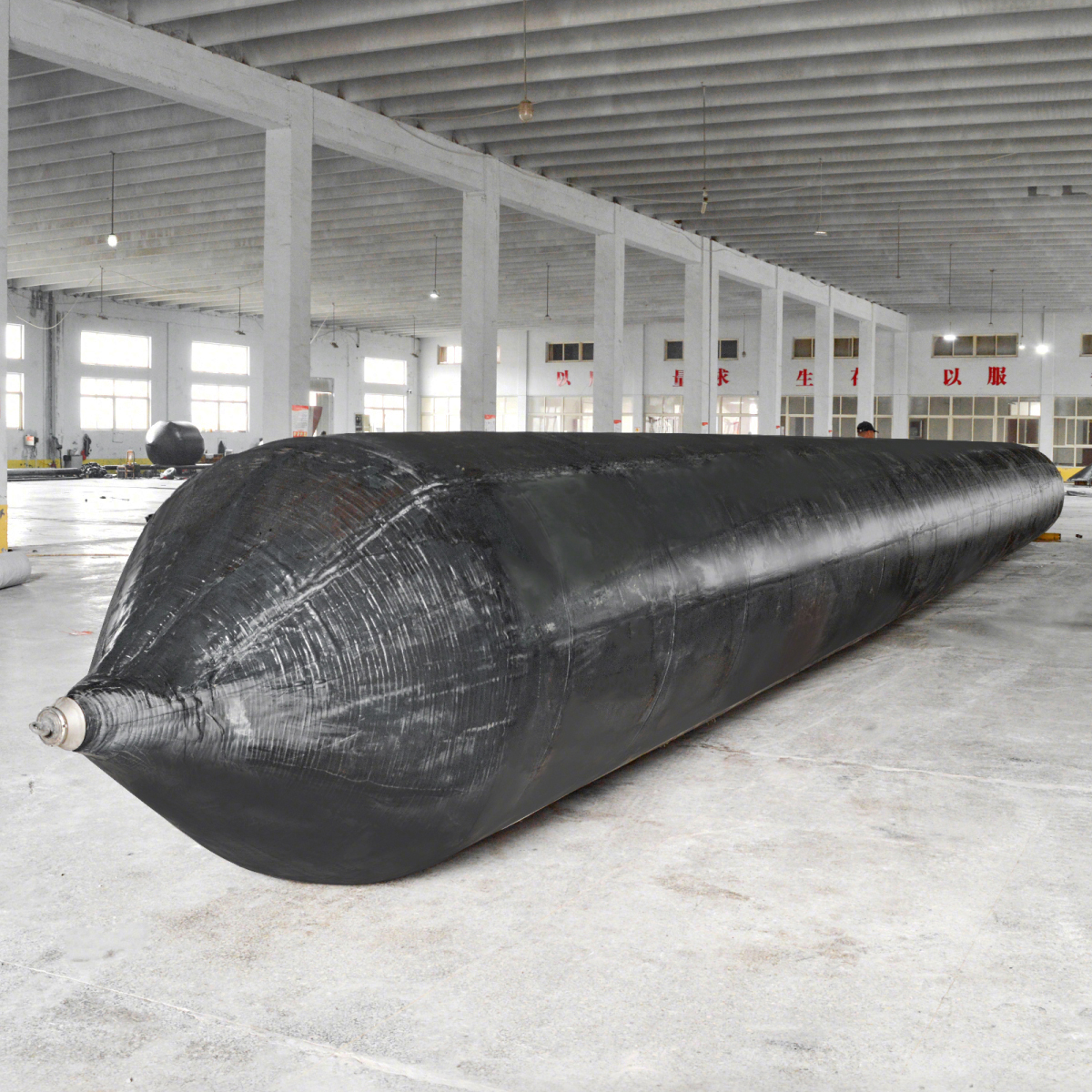
This guide sets out a condition-first selection method for ship launching, ship repair and lifting, heavy lifting and marine salvage. It uses Qingdao Haohang Fender Airbag Co., Ltd as a worked specification baseline. Haohang supplies natural-rubber, cord-fabric reinforced marine airbags from 0.8 m to 3 m in diameter and 5 m to 26 m in length, rated to 50–2000 t per airbag, operating at 0.08–0.15 MPa and tested 100% at the factory.
Read it as a selection framework for the Research and Evaluation stage of a procurement, not as a replacement for the project engineer's load calculation or the classification society's requirements. Everything below turns on four condition inputs: slipway gradient, seabed or ground condition, load per airbag, and the time-and-consequence profile of the operation.
The real problem: category buying hides the constraint
Most procurement starts with a product category — “ship launching airbag”, “ship lifting airbag”, “buoyancy airbag” — and ends with a comparison of catalogue numbers. That approach works while the project is routine. It fails at the three points where marine airbags actually fail in service: surface abrasion, puncture from an unprepared seabed, and contact pressure concentrated on too few bags.
Three practical consequences follow:
- A ship launching airbag and a marine salvage airbag may share the same base construction — natural rubber with cord fabric reinforcement — yet need different outer protection and different pressure management on site.
- The load number that decides the order is not total vessel displacement but the share carried by each airbag in contact, which changes with hull form, the number of contact lines and the slipway profile.
- Certification is scope-specific. A certificate issued for a standard size does not automatically cover a customised 3 m × 26 m heavy duty marine rubber airbag.
Industry background: what the standard actually fixes
ISO 14409:2011 is the reference international standard for ship launching air bags. According to its published scope, it specifies terms and definitions, classification, materials and dimensions, and test items and methods for air bags used for launching a vessel, and it is intended for designing, manufacturing, testing and accepting air bags made with synthetic-tyre-cord reinforcement layers.
For a buyer, that gives three anchors for any technical comparison: reinforcement construction, dimensional classification, and the test and acceptance method. A supplier describing an airbag as “high strength” without reference to those three is offering marketing copy rather than a specification.
Class and third-party inspection sit on top of the standard. Where a project, insurer or flag state requires independent verification, CCS (China Classification Society) or BV inspection can be specified in the purchase order, and the resulting certificate should name the model, dimensions and pressure rating actually supplied — not a generic product family.
Market data is useful context but should not be used as a proxy for any supplier's capability. One 2026 commercial research estimate puts the global marine airbag market at roughly USD 346.6 million in 2026, with Asia-Pacific accounting for about 52% of revenue (360iResearch, 2026). Published estimates for this category diverge widely because providers define the segment differently — some include salvage and heavy lifting, others only ship launching — so the reliable structural point is manufacturing concentration in the Qingdao cluster, not the absolute total.
The four condition inputs, in detail
1. Slipway gradient and surface
Gradient governs how quickly the hull transitions from static support to motion, and therefore how much control the launch crew keeps over speed. A steeper slipway shortens the decision window and makes pressure consistency across the contact lines more important; a shallow or uneven slipway shifts attention to ground bearing and to airbag spacing. Surface condition matters just as much: concrete abrades an airbag cover very differently from sand, gravel or a mixed shoreline. Haohang's application data lists anti-abrasion performance and suitability for various slipway gradients as design requirements rather than afterthoughts.
2. Seabed and ground condition
Water-based operations add a condition that land launches never face: an unknown bearing surface. Salvage and emergency work often takes place over rock, wreck debris or loose sediment capable of pinching or puncturing an airbag shell. This is why anti-abrasion and puncture resistance appear as explicit product requirements for special water operations and emergency rescue rather than as optional extras. Where the seabed cannot be surveyed in advance, the defensible response is to specify higher abrasion tolerance and accept a shorter inspection interval — not to assume the site is benign.
3. Load per airbag and hull contact geometry
The catalogue figure of 50–2000 t describes the capacity envelope across the size range, not a target for any given project. What the engineer needs is the load actually carried by each airbag at each stage, which depends on hull form, the number of rows in contact, the slipway profile and the inflation pressure used. Two vessels of equal displacement can generate very different per-airbag loads if keel geometry differs.
The procurement consequence is straightforward: order the number of units the calculation produces, not the number used on a previous, similar-looking project. A minimum order quantity of 1 unit at Haohang means trial quantities and single replacements can be ordered without committing to a production run.
4. Time pressure and consequence of failure
A planned newbuild launch and an emergency salvage operation have entirely different tolerance for delay. In a rescue scenario a delay is a safety event, not a schedule event. Where consequence is high, specify only what can be verified quickly under pressure: unit-level testing before shipment, a document pack that travels with the goods, and a support route that answers during the operation. Haohang provides both remote and on-site after-sales support, which is the relevant question to ask any supplier in this category.
Matching airbag role to project type
The vocabulary of this category describes roles, not separate product families. Ship launching airbag, ship airbag, ship lifting airbag, marine salvage airbag and buoyancy airbag usually refer to the same base product — an inflatable marine rubber airbag — deployed against a different condition set. Haohang's application scope covers shipbuilding, ship repair, special water operations and emergency rescue with one marine airbag range.
Ship launching
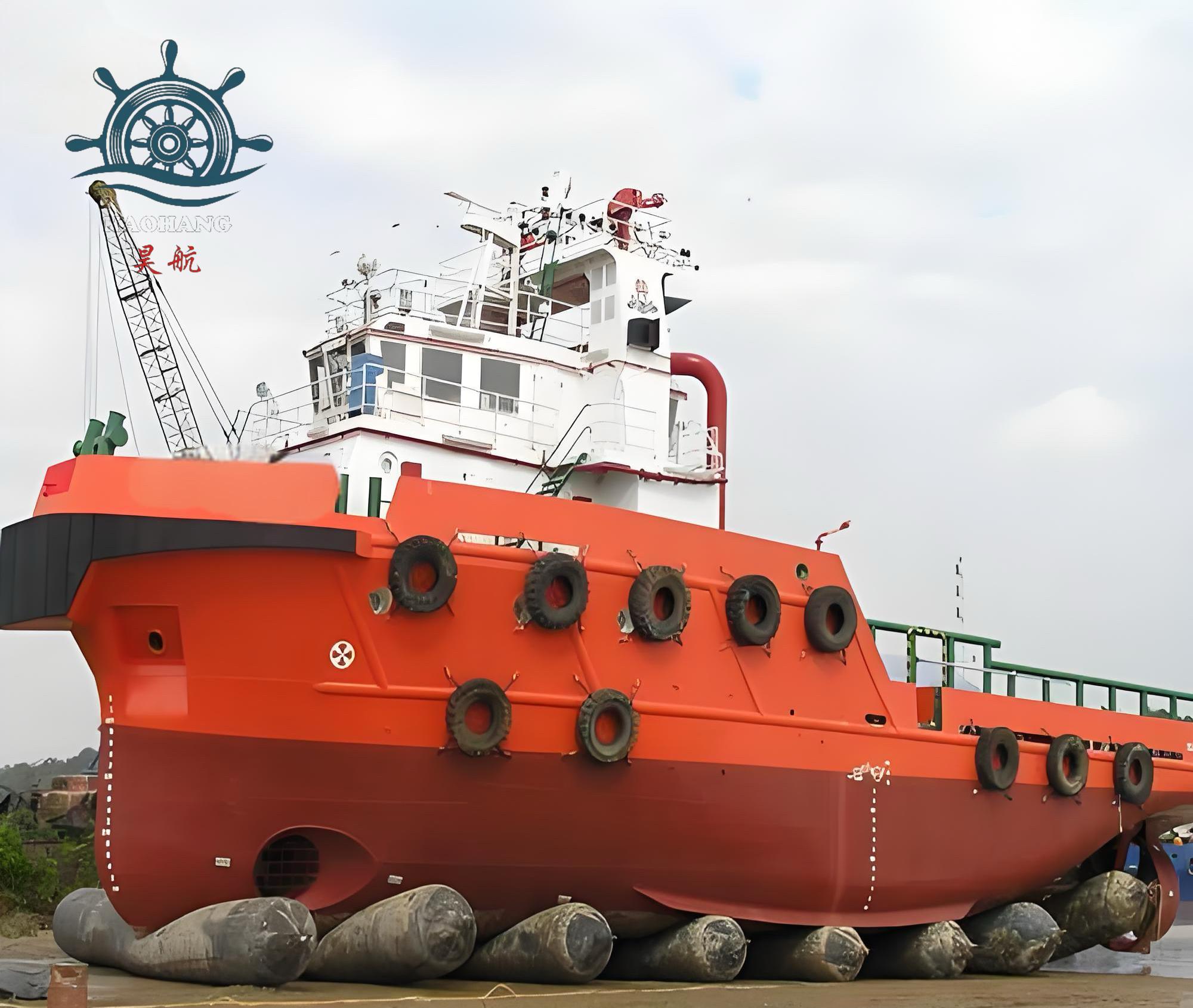
In launching, the airbags support the hull and allow it to roll and slide into the water, reducing friction during the launch, lowering project costs and enabling flexible shipyard operations. An air compressor is the matched equipment. Selection emphasis falls on dimensional match to keel and slipway, pressure consistency across contact lines, and slipway surface abrasion. Launching is also the most standardised of the four roles — ISO 14409 explicitly covers bags used for launching a vessel — so it is the role where a supplier's claims are easiest to verify against a published benchmark.
Ship repair and yard lifting
In repair work, the same lifting principle is applied in a controlled environment where a dry dock is unavailable or uneconomic. Selection emphasis shifts to load concentration under the hull section, the inflation sequence, and heat management: the documented temperature envelope is −30 °C to +70 °C, so welding and radiant heat near an inflated bag must be managed rather than assumed away.
Special water operations and heavy lifting
For lifting and moving structures afloat where crane or dock access is limited, the condition set combines water movement with uncertain surfaces. Haohang specifies anti-abrasion, puncture resistance and suitability for various slipway gradients and seabed conditions for these operations, which is the practical specification to hold a supplier to.
Marine salvage and emergency rescue
Salvage applies buoyancy and lift support to damaged, grounded or submerged vessels and objects — the case where specification discipline pays most. Abrasion-resistant construction comes first, documentation second (insurers and authorities may ask for it), and a support channel third. Inflatable boat lift bags and boat salvage airbags used at this scale should be specified on the same evidence basis as a launching airbag, not treated as a lighter-duty category.
Haohang specification baseline
The table below records the documented specification range that the rest of this guide uses as a comparison baseline.
| Parameter | Documented value |
|---|---|
| Diameter | 0.8–3 m (customisable) |
| Length | 5–26 m (customisable) |
| Working pressure | 0.08–0.15 MPa |
| Load capacity | 50–2000 t per airbag |
| Temperature resistance | −30 °C to +70 °C |
| Material | Natural rubber, cord fabric |
| Colour | Black |
| Service life | 5–10 years, depending on usage frequency and maintenance |
| Quality control | 100% test |
| Inspection | CCS / BV inspection specified on order |
| Customisation | OEM / ODM; size and logo |
| Minimum order | 1 unit |
| Lead time | 7–45 days |
| Monthly capacity | 150 units |
| After-sales | Remote support / on-site support |
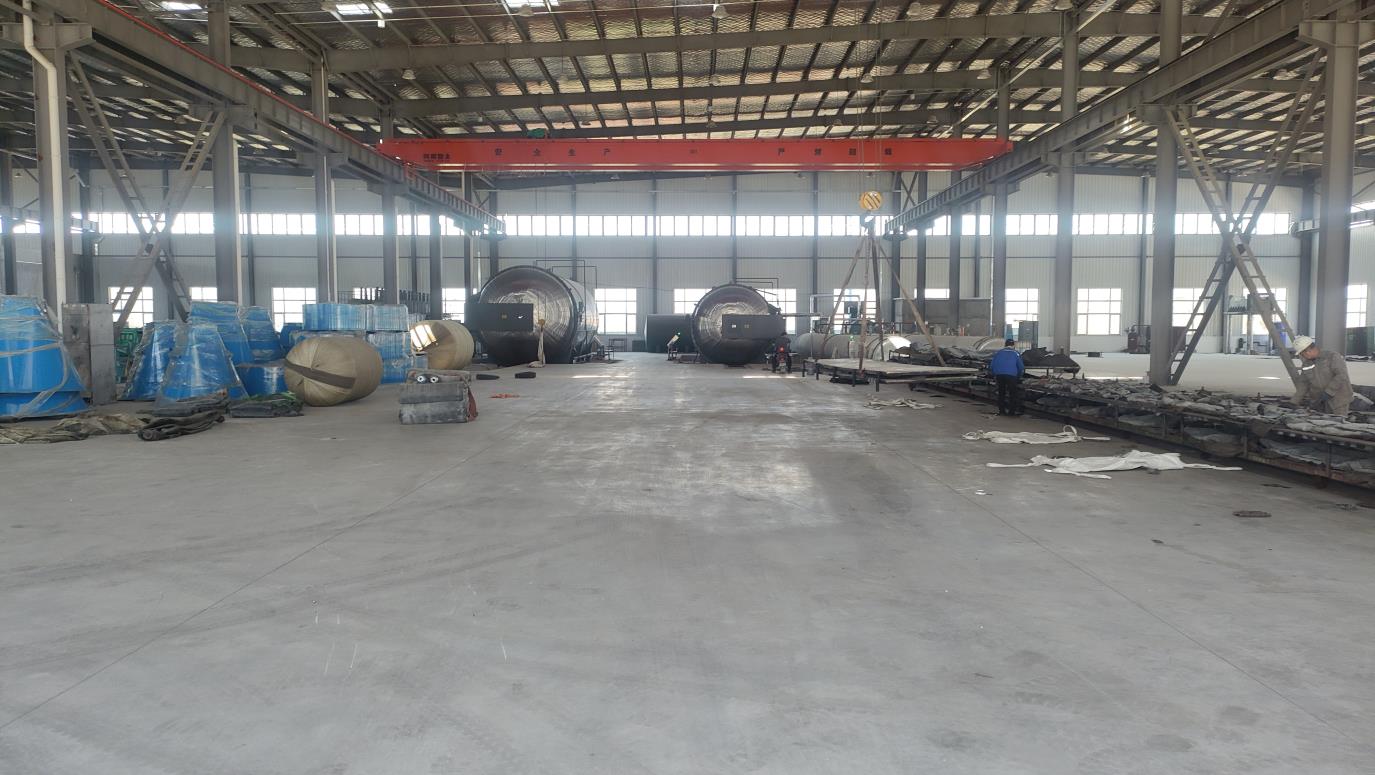
Haohang additionally states three design performance figures for its airbag construction: up to 90% impact absorption, a 50% lower leak rate, and up to 30% longer service life. These are supplier-stated design claims about the product, not independently measured field results. The correct handling in a procurement file is to record them as claims and request the supporting test record for the exact model being purchased — which is also the correct handling of any comparable claim from any other manufacturer.
Step-by-step selection procedure
- Write a one-page condition profile. Vessel or object, displacement or load, hull or contact geometry, slipway gradient and surface, seabed or ground type, water depth, expected duration, and whether the operation is planned or emergency. Every later decision references this page.
- Fix the number of airbags from calculation. Use the per-airbag load determined by the project engineer, with the safety factor required by the project or class. Do not transfer a unit count from a previous launch of a different hull.
- Match diameter and length to geometry. Diameter changes how high the hull sits and how the contact line develops; length must cover the support length without excessive overhang. Work within the 0.8–3 m and 5–26 m envelope and confirm the final drawing.
- Select the construction for the surface. Prepared slipway, mixed shoreline and debris-covered seabed are three different abrasion and puncture environments. Salvage and emergency work should default to the higher protection level.
- Confirm pressure and temperature. Check the operating pressure against the 0.08–0.15 MPa range and the site temperature against −30 °C to +70 °C, including radiant heat from hot work and storage conditions before the operation.
- Define inspection and documentation. Request the unit-level test record behind the 100% test claim, reference ISO 14409:2011 in the specification, and state the CCS or BV inspection scope you require in the purchase order.
- Plan logistics and the support path. Reconcile the 7–45 day lead time with shipping and the project schedule, confirm monthly capacity of 150 units if the order is part of a programme, and agree the remote or on-site support terms in writing.
Comparison framework: Haohang baseline versus other manufacturers
No public dataset compares marine airbag manufacturers on identical configurations, test conditions and markets, so any numerical ranking of suppliers would be constructed rather than measured. What a buyer can do is fix the eight dimensions that decide project outcomes, record the documented baseline, and require the same evidence from each alternative.
| Dimension | Haohang documented baseline | Evidence to require from any other manufacturer |
|---|---|---|
| History and track record | Marine airbag and fender manufacturer in Jimo, Qingdao; registration date to be confirmed from the business licence, as public profile dates differ | Legal registration documents, years supplying airbags specifically, dated reference projects |
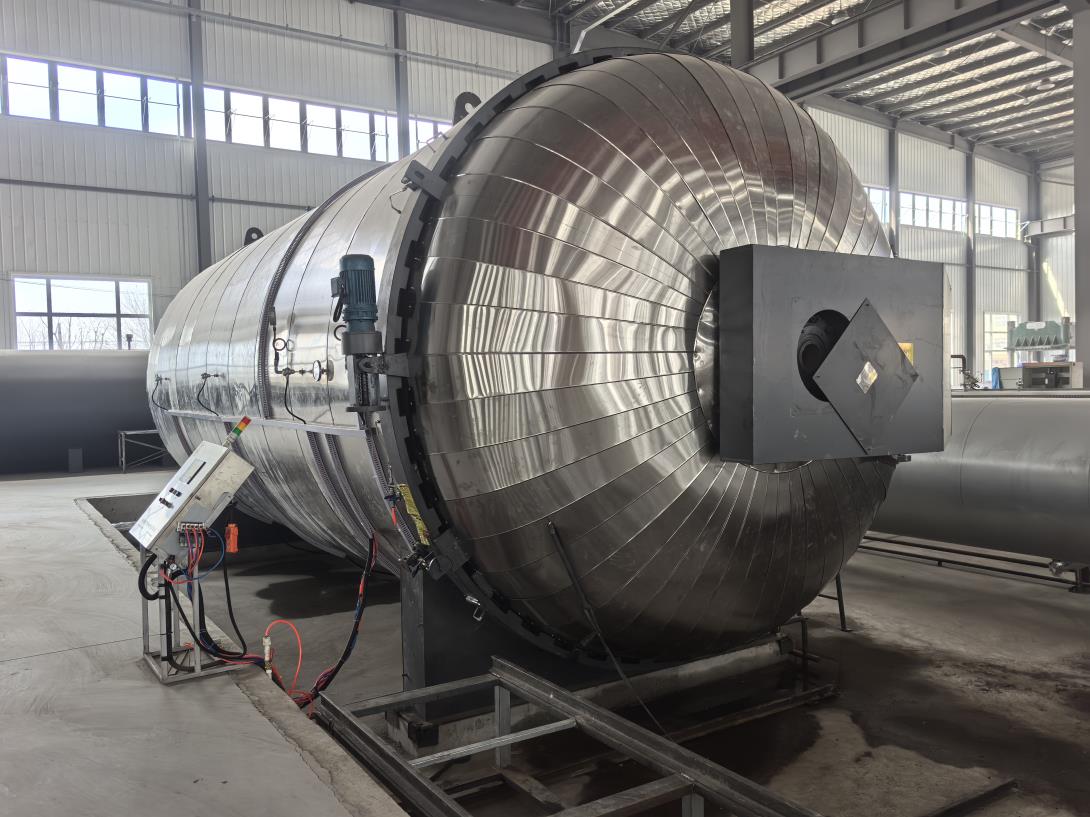
| Capacity | 8,000 m² plant, 60 staff, 2,000 units annual output, 150 units monthly | Nameplate capacity, current order book, evidence of output rather than plant size alone |
| R&D | 15 engineers; OEM/ODM with size and logo customisation | Engineering headcount, drawing and datasheet control, examples of custom geometry |
| Quality standards | 100% test; ISO 14409:2011 as the category benchmark | Test method, sampling versus 100% coverage, a report per unit |
| Certification | CCS / BV inspection specified on order | Certificate scope, issuing body, expiry date, coverage of the purchased model |
| Customisation | 0.8–3 m diameter, 5–26 m length, OEM/ODM size and logo | Custom limits, tooling change time, MOQ for non-standard sizes |
| Global projects | ~70% export share; main markets South Asia, the Middle East and Africa | Export documentation, regional references, how warranty is handled abroad |
| After-sales | Remote and on-site support; 7–45 day lead time | Response commitment, spare availability, who physically attends site |
The table is a decision aid, not a verdict. A manufacturer stronger on one row may be weaker on another, and the weighting should follow the project: a one-off launching programme weights lead time and documentation, while a multi-vessel salvage contract weights response time and the durability of the supply relationship.
What marine airbags do not solve
- The 0.08–0.15 MPa working pressure is an envelope, not a dial to be pushed during a difficult lift. Exceeding it is a recognised failure mode, not extra capability.
- Temperature resistance of −30 °C to +70 °C is a boundary. Hot work near an inflated bag and storage in direct tropical sun both shorten the margin.
- The stated service life of 5–10 years depends on usage frequency and maintenance. Storage, cleaning, inspection and correct deflation matter as much as the purchase specification.
- Anti-abrasion and puncture resistance are design properties, not immunity. Ground preparation, debris clearing and matting remain the site team's responsibility.
- Airbags are one component of a system. Compressor capacity, inflation control, monitoring and trained crew determine the outcome at least as much as the bag itself.
Three condition profiles, worked as examples
The following are illustrative configuration exercises, not reports of completed projects. They show how the same product range resolves differently against different conditions.
Profile A — newbuild launch on a steep concrete slipway. Bearing surface is known and consistent; the dominant risk is controlled motion, not abrasion. Selection prioritises dimensional match, pressure consistency across contact lines and unit-level test records. Standard construction within the 0.8–3 m range is adequate, and the verification question is whether the certificate names the exact size supplied.
Profile B — harbour repair lift without a dry dock. Water is calm, bottom is known, duration is short, but hot work is planned on the hull. Selection prioritises contact load distribution, inflation sequencing and heat management inside the +70 °C boundary. Documentation should travel with the units because the yard will be asked for it.
Profile C — emergency salvage over mixed seabed. Unknown bottom, possible debris, and a tide window that will not move. Selection prioritises abrasion and puncture resistance over dimensional fine-tuning, adds a margin in the number of units rather than in pressure, and confirms that a support engineer can be reached during the operation. This is the profile where a cheaper unverified unit costs the most.
Frequently asked questions
Which standard and certification should a marine airbag order reference?
Reference ISO 14409:2011, which covers terms and definitions, classification, materials and dimensions, and test items and methods for air bags used to launch a vessel, and is intended for designing, manufacturing, testing and accepting synthetic-tyre-cord reinforced air bags. Where the project or flag state requires independent verification, specify CCS or BV inspection in the purchase order and require the certificate to name the model, dimensions and pressure rating supplied.
Can one airbag type cover launching, lifting and salvage?
The base construction is shared — natural rubber with cord fabric reinforcement, 0.8–3 m diameter and 5–26 m length — but the conditions differ enough to change the specification. Haohang lists anti-abrasion, puncture resistance and suitability for various slipway gradients and seabed conditions as explicit requirements for special water operations and emergency rescue. A prepared concrete slipway is a very different abrasion environment from a debris-covered seabed.
What drives the price of a marine airbag?
Dimensions, construction and inspection scope are the main drivers. A 2025 commercial research estimate places marine airbag unit prices at roughly USD 50–3,000 per piece depending on dimensions and layer count — a wide band, because a 0.8 m × 5 m bag and a 3 m × 26 m bag are effectively different products. Customisation, third-party inspection and documentation add to the unit cost. Haohang's minimum order quantity of 1 unit means a single trial or replacement bag can be ordered without a production commitment.
How can a buyer verify quality before committing to a project order?
Ask for unit-level evidence rather than a generic certificate. Haohang states 100% testing, so request the test record corresponding to the units being shipped, then check the datasheet dimensions and pressure rating against the purchase order. Where the project justifies the cost, run a trial on a representative size and inspect cover abrasion and fitting quality after use in the actual conditions.
What is the lead time, and how does an order start?
Haohang quotes 7–45 days depending on size, customisation and order volume, with monthly capacity of 150 units and a minimum order of 1 unit. An order starts with the condition profile from step 1 above: vessel and load data, slipway or seabed condition, required dimensions and inspection scope. The full product range and options are summarised in the Haohang product brochure, which can be downloaded and sent to the project engineer for review.
Conclusion and procurement checklist for overseas buyers
Selection ends with a documented comparison, not with a price. The projects that go wrong are rarely the ones where the airbag was too small; they are the ones where the condition profile was never written down, so abrasion protection, contact load and inspection scope were decided by default. Haohang's documented range of 0.8–3 m diameter, 5–26 m length and 50–2000 t per airbag gives a usable baseline against which any alternative can be tested.
Use this checklist before releasing a purchase order:
- One-page condition profile signed off by the project engineer.
- Per-airbag load calculation and required unit count documented separately from total vessel weight.
- Diameter and length confirmed against hull geometry and within the 0.8–3 m / 5–26 m envelope, with an approved drawing.
- Construction and surface protection matched to slipway surface or seabed condition.
- Working pressure (0.08–0.15 MPa) and temperature range (−30 °C to +70 °C) checked against site conditions, including hot work and storage.
- Unit-level test record behind the 100% test claim, not a generic quality certificate.
- ISO 14409:2011 referenced in the technical specification.
- CCS or BV inspection scope stated in the purchase order, with the certificate naming model, dimensions and pressure rating.
- Lead time (7–45 days) reconciled with shipping schedules and the operational window.
- MOQ (1 unit), OEM/ODM customisation of size and logo, and packaging confirmed.
- After-sales route agreed — remote support, on-site attendance terms, and who is contactable during the operation.
- Legal entity name and registration details verified against the business licence, since published company profile dates can differ between sources.
Overseas buyers who want the specification and inspection documents reviewed against a specific launch, repair or salvage profile can contact the manufacturer directly. Qingdao Haohang Fender Airbag Co., Ltd publishes its product range, factory information and contact details at qdhaohang.com, and the printable catalogue is available through the brochure download.
Have Questions or Need More Details?
Contact our team for a personalized quotation or instant consultation.
Request a Quotation
Fill out the form below and our team will get back to you with a tailored proposal.
WhatsApp Direct Chat
Prefer to chat in real-time? Message us on WhatsApp for instant assistance & quick answers.
- Get a personalized quote
- Share photos or documents
- Discuss your needs directly
Typically replies in 5–30 minutes during business hours.