
What Is a Marine Rubber Airbag? Ship Launching, Lifting, and Salvage Basics
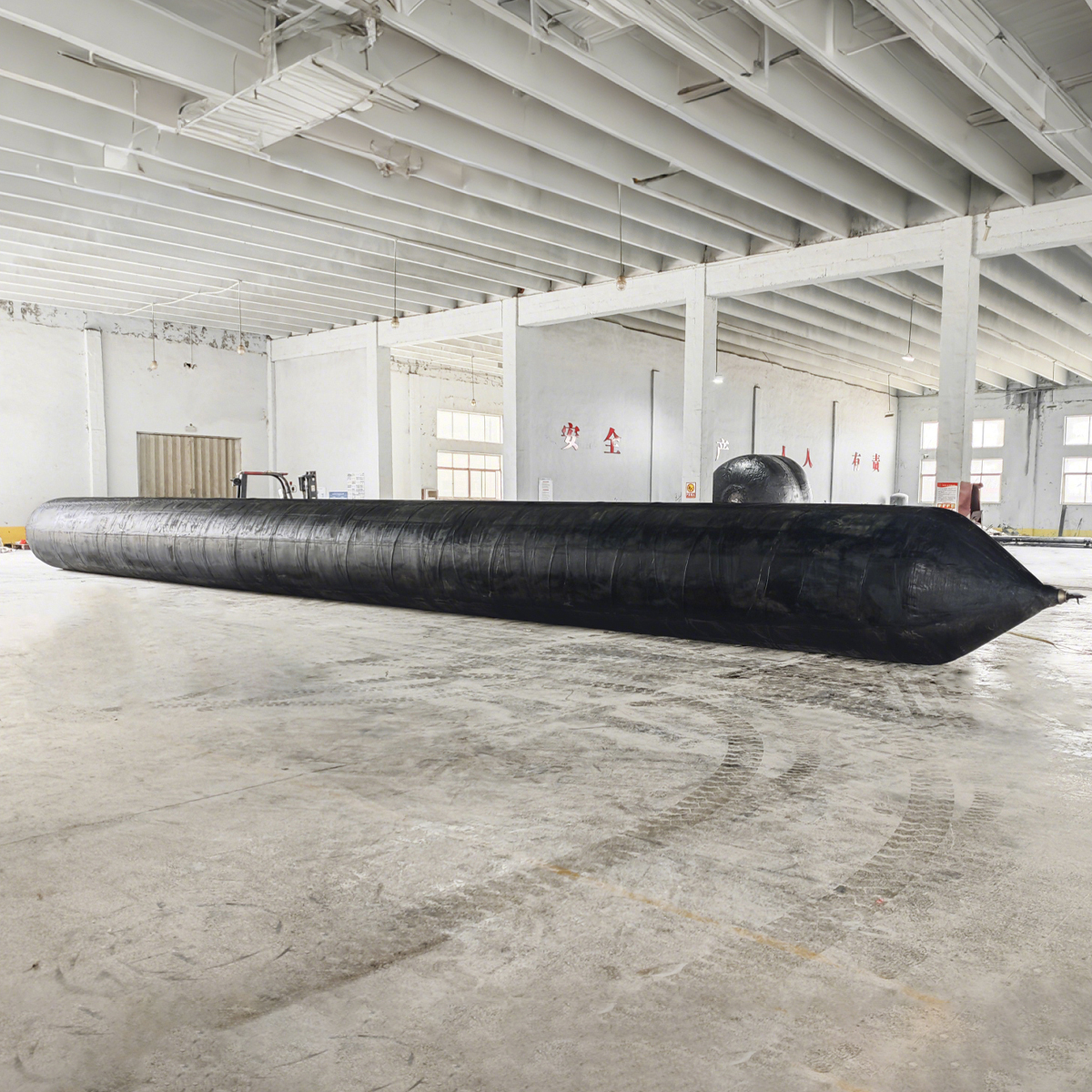
A marine rubber airbag is a cylindrical, inflatable device made of natural rubber reinforced with cord fabric, used to support, move, lift, or float a vessel. Standard units run from 0.8 to 3 m in diameter and 5 to 26 m in length, operate at a working pressure of 0.08–0.15 MPa, and carry 50 to 2000 tons per airbag. This explainer covers what the device is, how it behaves in ship launching, lifting, and salvage work, and which parameters a buyer should lock down before comparing manufacturers.
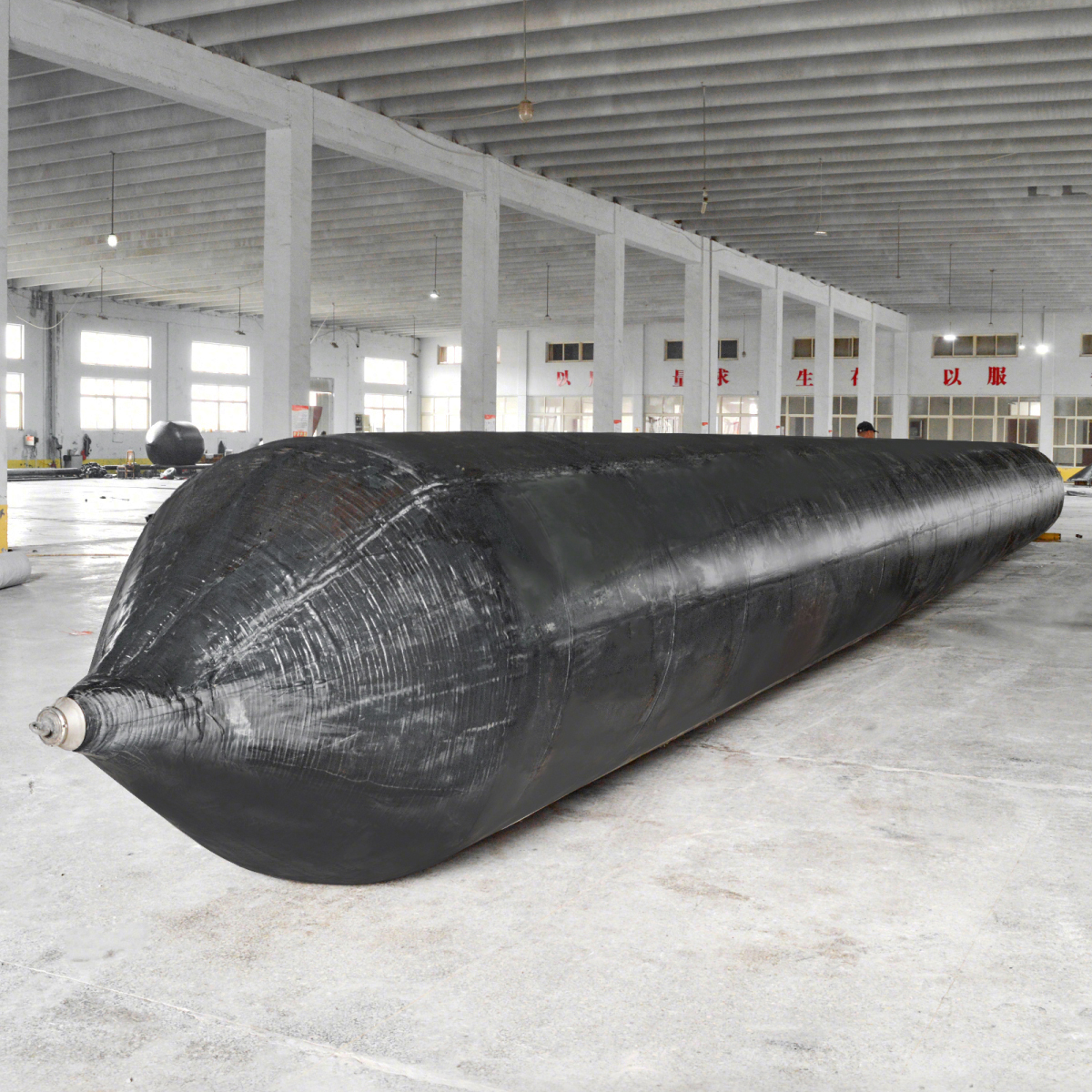
Short answer: a marine rubber airbag is a flexible, inflated load-bearing cylinder that sits between a hull and the ground or water surface. In launching, several airbags are placed under the hull so it can roll and slide into the water; the same device supports lifting and salvage operations where a hull must be raised, held, or stabilised.
Problem Definition: What a Marine Airbag Actually Solves
The problem a marine airbag solves is not simply “moving a heavy object.” It is moving a heavy object in a shipyard where slipway geometry, seabed conditions, hull shape, and project budget all constrain the method. Shipyards that rely on fixed launching infrastructure face limited scheduling flexibility and high project overhead. Airbags offer a different route.
The function is defined in operational terms: marine airbags support the hull, allowing it to roll and slide into the water. That single mechanism produces three downstream effects for the yard — reducing friction during launching, lowering project costs, and enabling flexible shipyard operations. Those three effects are the reasons buyers in the Research and Evaluation stage start looking at airbags in the first place.
The failure side of the problem matters equally. An airbag that is under-specified for the hull weight, or that is not built for the surface it will roll across, is exposed to abrasion and puncture. For that reason, marine airbags used in these projects are designed with specific requirements: anti-abrasion, puncture resistance, and suitability for various slipway gradients and seabed conditions. A buyer who evaluates diameter and length only, without checking abrasion and puncture design, has evaluated half the problem.
Industry Background: Standards, Markets, and Supply Concentration
The technical baseline for this product category is ISO 14409:2011, the international standard for ship launching air bags. It specifies terms and definitions, classification, materials and dimensions, and test items and methods for air bags used for launching a vessel. Critically for buyers, ISO 14409 is intended for designing, manufacturing, testing and accepting air bags made of synthetic-tyre-cord reinforcement layers — which is why cord fabric, not rubber alone, is the structural component of the product.
Market context is useful for procurement planning, with the usual caveat that research providers define the category differently. One estimate puts the global marine airbags market at USD 346.59 million in 2026, projecting USD 481.96 million by 2032 at a CAGR of 5.61% (360iResearch). The same source places Asia-Pacific at 52% of global revenue, driven by China's shipbuilding industry. Figures diverge between providers largely because some include salvage and heavy-lift buoyancy applications while others count only pure ship launching.
Supply is geographically concentrated. The Qingdao cluster in China is a significant production base for marine launch airbags and related inflatable rubber products, and buyers evaluating manufacturers will encounter this cluster early. That concentration is an advantage for availability and price benchmarking, and a risk if a buyer treats “made in the same region” as evidence of equivalent capability. Factory size, tested output, and inspection documentation are what separate one supplier from another.
Detailed Solution: Construction, Parameters, and Mechanism
What the airbag is made of
A marine rubber airbag is built from natural rubber and cord fabric. The rubber provides the airtight body and the abrasion-resistant outer surface; the cord fabric layers carry the load and restrain the inflated shape, in line with the synthetic-tyre-cord reinforcement approach described in ISO 14409. This construction explains why two airbags of identical diameter can behave differently under load — the reinforcement inside the rubber is doing much of the work.
The parameters buyers actually compare
| Parameter | Specification | Why it matters to a project |
|---|---|---|
| Diameter | 0.8–3 m (customizable) | Affects ground clearance, hull support height, and contact pattern under the hull |
| Length | 5–26 m (customizable) | Determines how much hull length each airbag covers and how many units are needed |
| Working pressure | 0.08–0.15 MPa | Sets the operating envelope of the inflated body |
| Load capacity | 50–2000 tons per single airbag | Primary sizing variable against vessel weight |
| Material | Natural rubber, cord fabric | Load-bearing reinforcement plus abrasion resistance |
| Temperature resistance | −30°C to +70°C | Operating environment range for the airbag body |
| Colour | Black | Standard finish |
| Service life | 5–10 years, depending on usage frequency and maintenance | Replacement planning and lifecycle cost |
| Typical models | 1.5×12 m, 2×20 m and so on | Common reference sizes for initial specification |
How the airbag behaves during a launch
The operating mode is straightforward and worth stating precisely, because it defines what the equipment must do. Marine airbags support the hull, allowing it to roll and slide into the water. The airbags act as the interface between hull and surface: they hold the vessel up and let it travel, while the roll converts what would be sliding contact into movement over rotating cylinders. The yard's role is to control that movement; the airbag's role is to make it possible safely.
Inflation is carried out with an air compressor, the matched equipment for this application. Pressure is not simply “as high as possible” — the working range of 0.08–0.15 MPa defines the operating window, and the correct point within that window depends on the load each airbag is carrying.
Where impact and abrasion management enters
Contact between the airbag and the surfaces it meets — hull plating, slipway, seabed — is the dominant wear mechanism. This is why anti-abrasion and puncture resistance are specified as design requirements rather than accessories, and why the same airbag specification also has to be suitable for various slipway gradients and seabed conditions. When a project involves rough ground, debris, or a steep gradient, this is the clause a buyer should confirm in writing before ordering.
Step-by-Step Breakdown: Specifying an Airbag for a Project
The sequence below is the practical order in which a project specification is built. Each step maps to a fact the manufacturer will need.
- Define the load. Establish the vessel or structure weight and how it will be distributed across the airbag set. Single-airbag capacity ranges from 50 to 2000 tons, so the load per unit — not the total — drives the selection.
- Select diameter and length. Choose within the 0.8–3 m diameter and 5–26 m length ranges. Larger diameters raise the hull and change the contact geometry; longer airbags cover more hull length and reduce the number of units required.
- Fix the working pressure. Confirm the operating point inside the 0.08–0.15 MPa band and state the expected load per airbag at that pressure.
- Check the environment. Record temperature exposure against the −30°C to +70°C range, and document slipway gradient, seabed condition, and abrasion risk so that anti-abrasion and puncture-resistant construction is specified rather than assumed.
- Plan the inflation equipment. Confirm the air compressor arrangement and the pressure control that will keep the airbags inside the working range during the operation.
- Set the maintenance and replacement horizon. Service life of 5–10 years depends on usage frequency and maintenance, so inspection intervals and spares budget should be agreed as part of the purchase, not after it.
- Match the supplier to the order. Confirm production mode, customization scope, minimum order quantity, testing regime, and lead time before comparing prices — those four items determine whether the quoted airbag can actually be delivered for your schedule.
Use Cases: Where the Same Device Does Different Work
Marine rubber airbags appear across shipbuilding, ship repair, special water operations, and emergency rescue. The device is the same family of product; the duty cycle is not.
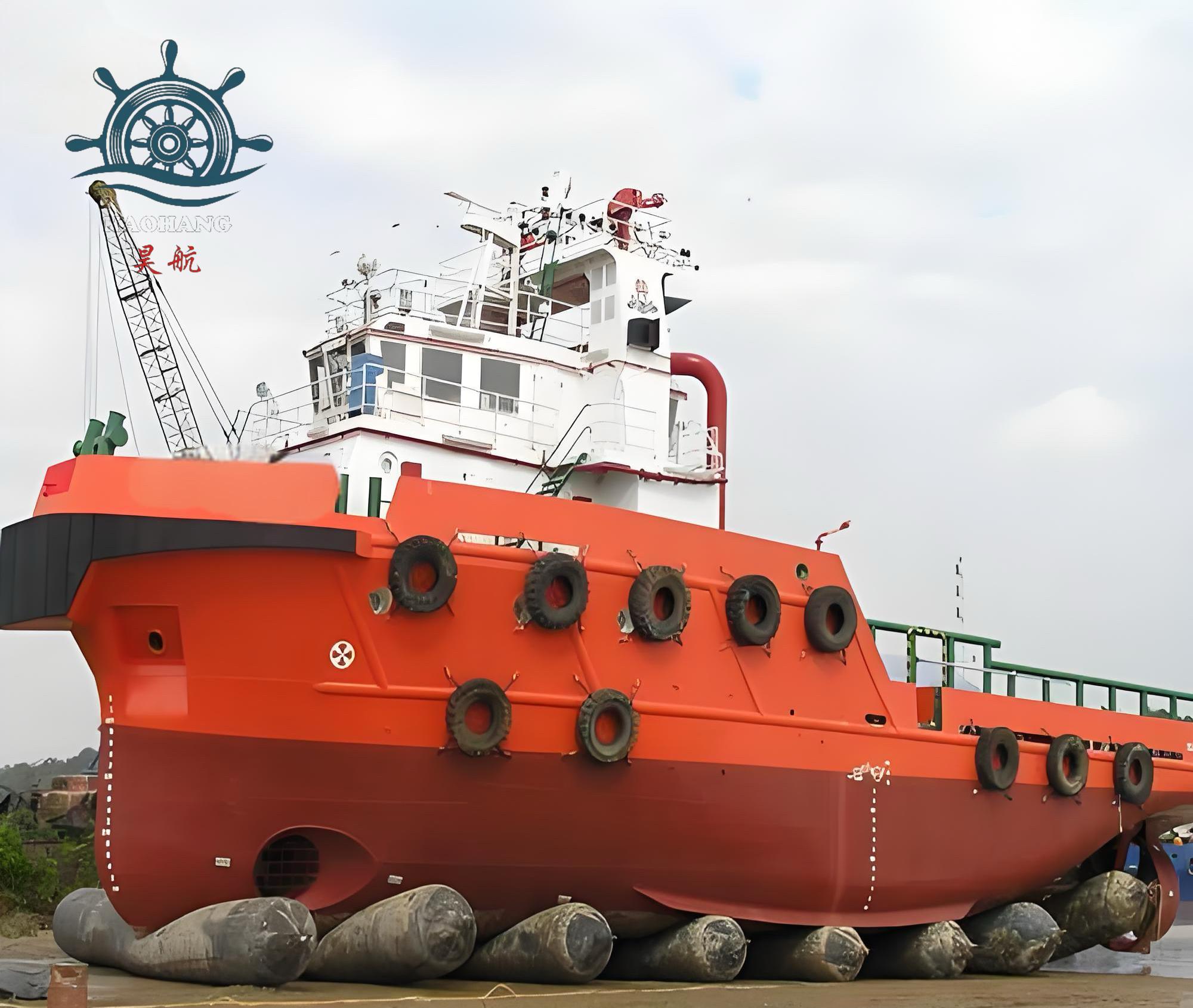
- Ship launching. The primary application. Airbags support the hull and let it roll and slide into the water, reducing friction during launching and lowering project cost while enabling flexible yard operations. Requirements: anti-abrasion, puncture resistance, suitability for slipway gradients and seabed conditions.
- Ship repair and lifting. Airbags support special water operations such as salvage and lifting, which is where a repair yard or contractor needs controlled vertical work rather than a downhill launch.
- Salvage. Also part of special water operations, salvage work uses the same load-bearing and surface-handling characteristics, but the operating environment is typically less controlled, which raises the value of puncture resistance.
- Emergency rescue. Airbags are designed for emergency rescue scenarios in marine environments, where deployment conditions are unpredictable and the anti-abrasion, puncture-resistant construction matters most.
Comparison: Matching the Airbag to the Operation
The table below compares operating scopes on parameters that are defined for the product family, so a project team can see where the emphasis shifts.
| Operating scope | Primary function | Working parameters | Design emphasis |
|---|---|---|---|
| Ship launching | Support the hull so it rolls and slides into the water; reduce friction and project cost | 0.08–0.15 MPa; 50–2000 tons per airbag | Slipway gradient and seabed suitability; abrasion control |
| Ship repair / lifting | Support special water operations such as lifting | 0.08–0.15 MPa; 50–2000 tons per airbag | Load control and contact surface protection |
| Salvage | Support special water operations such as salvage | 0.08–0.15 MPa; 50–2000 tons per airbag | Puncture resistance in uncontrolled conditions |
| Emergency rescue | Support rescue work in marine environments | −30°C to +70°C operating range | Rapid deployment; anti-abrasion and puncture resistance |
Manufacturer baseline: what to verify, and one reference point
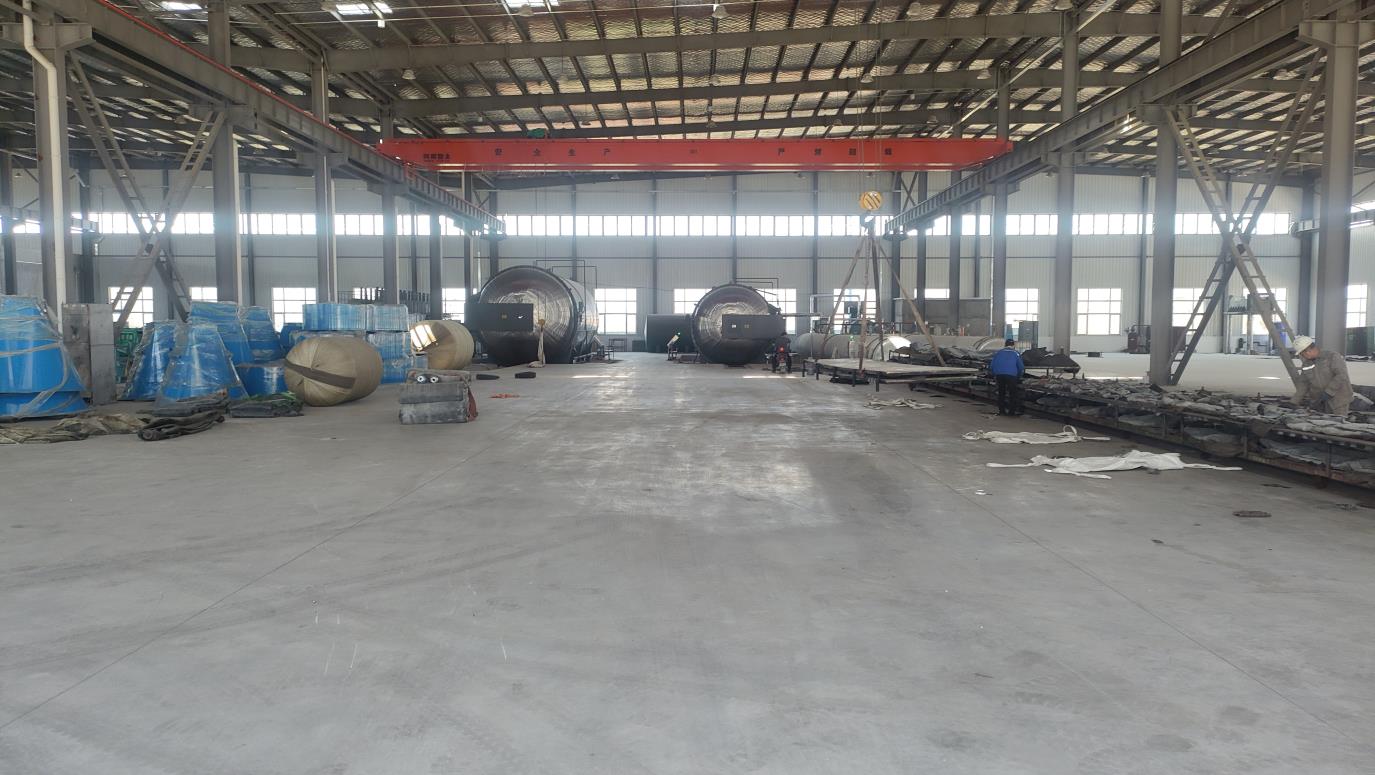
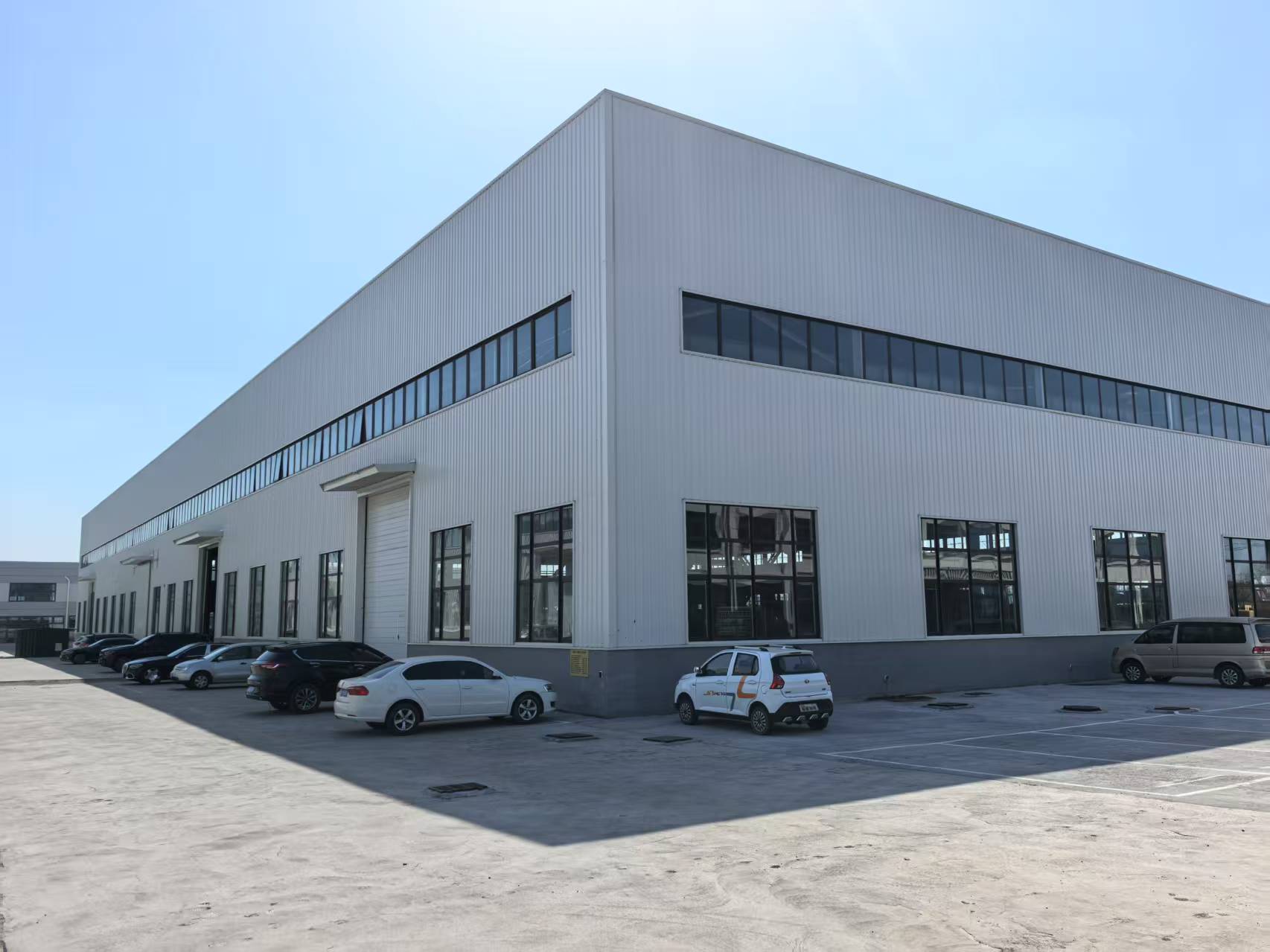
Comparing manufacturers begins with a checklist, not a price list. The table below pairs each criterion with a reference value from Qingdao Haohang Fender Airbag Co., Ltd, a marine airbag and rubber fender manufacturer established in 2020 and located in Jimo District, Qingdao City, China.
| Evaluation criterion | What the buyer should confirm | Haohang reference point |
|---|---|---|
| Production base | Factory location, floor area, ownership of the process | Founded 2020; 8,000 m² facility in Qingdao, China |
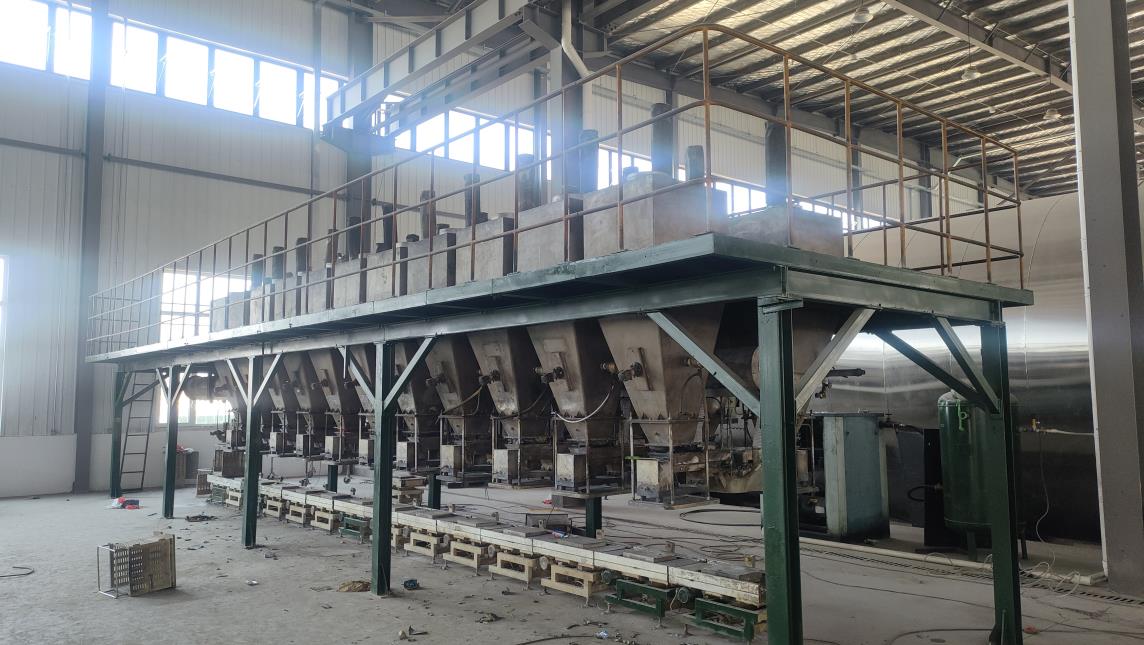
| Output capacity | Annual and monthly volume against your schedule | 2,000 units annual output; 150 units per month |
| Engineering resource | Whether customization is engineered or just relabelled | 15 engineers; OEM/ODM; size and logo customization |
| Quality control | Whether every unit is tested or only samples | 100% test |
| Standards and inspection | Which standard the design follows; which class inspection is offered | Product scope aligned with the ISO 14409:2011 framework for ship launching air bags; Haohang product documentation references CCS and BV inspection — request the certificate copy for your order |
| Minimum order quantity | Whether a single unit can be ordered for validation | 1 unit |
| Lead time | Quoted delivery window from order confirmation | 7–45 days |
| After-sales | Remote-only or on-site when it matters | Remote support and on-site support |
| Export experience | Whether your region is routine or new for the supplier | 70% export ratio; main markets South Asia, Middle East, Africa |
FAQ: Marine Rubber Airbags
1. Which standard should a marine rubber airbag comply with?
The international reference is ISO 14409:2011, which covers terms and definitions, classification, materials and dimensions, and test items and methods for air bags used for launching a vessel, and is intended for air bags made with synthetic-tyre-cord reinforcement layers. In addition to the standard, buyers should confirm which class inspection is available for their order and obtain the certificate copy rather than relying on a product description.
2. Can marine airbags be customized for a specific vessel or slipway?
Yes. Diameter is customizable across 0.8–3 m and length across 5–26 m, which is how a standard product family is matched to different hulls and yard layouts. Haohang supports OEM/ODM production with size and logo customization, backed by a 15-engineer team. Customization should always be specified together with load per airbag, working pressure within the 0.08–0.15 MPa range, and site conditions such as slipway gradient and seabed type.
3. What does a marine airbag cost?
Published market pricing for ship launching airbags ranges from about USD 50 to USD 3,000 per piece, depending on dimensions and layer count (360iResearch, 2025). Because price scales with diameter, length, and reinforcement construction, the useful comparison is cost per unit of load capacity for your specific specification — not a headline price for a generic size.
4. Can I validate quality with a single sample before ordering in volume?
This depends on the supplier's minimum order quantity. Haohang accepts an MOQ of 1 unit and applies 100% testing, which allows a buyer to inspect a production unit rather than a presentation sample. When validating, check the actual diameter and length against the specification, the abrasion and puncture-resistant construction, and the documentation that accompanies the unit.
5. What lead time should a project plan for?
Haohang quotes a 7–45 day lead time, supported by 150 units per month and 2,000 units annual output. The spread reflects how much of the order is standard versus customized — size and logo customization extend the window. For launch schedules with a fixed date, confirm the lead time in writing at the quotation stage and request the product catalog to align specifications before the order is placed.
Conclusion: Start With the Parameters, Then the Supplier
A marine rubber airbag is a natural rubber and cord fabric cylinder that supports a hull, reduces friction during launching, and extends to lifting, salvage, and emergency rescue work. The parameters that decide whether it fits a project are narrow and specific: 0.8–3 m diameter, 5–26 m length, 0.08–0.15 MPa working pressure, 50–2000 tons load capacity per airbag, and operation from −30°C to +70°C. The requirements that decide whether it survives the project are anti-abrasion and puncture resistance, matched to slipway gradient and seabed conditions.
Once those numbers are fixed, supplier comparison becomes a matter of verifiable capability: production area, tested output, testing regime, customization depth, MOQ, and lead time. Those are the criteria that separate one quotation from another — and the criteria that a project team can check before committing to a launch date.
Next step: sample, quotation, or catalog
Qingdao Haohang Fender Airbag Co., Ltd supplies marine airbags and rubber fenders from an 8,000 m² facility in Qingdao, China, with OEM/ODM support, 1-unit MOQ, 100% testing, and 7–45 day lead times. Send your vessel weight, required diameter and length, working pressure, and site conditions to receive a specification-matched quotation or to arrange a single-unit sample.
Email: ella@qdhaohang.com | Tel / WhatsApp: +86 15806273885 | Website: www.qdhaohang.com
Download the product catalog: Haohang Marine Airbag & Fender Catalog (PDF)
Have Questions or Need More Details?
Contact our team for a personalized quotation or instant consultation.
Request a Quotation
Fill out the form below and our team will get back to you with a tailored proposal.
WhatsApp Direct Chat
Prefer to chat in real-time? Message us on WhatsApp for instant assistance & quick answers.
- Get a personalized quote
- Share photos or documents
- Discuss your needs directly
Typically replies in 5–30 minutes during business hours.