Selecting the Right Pneumatic Rubber Fender for Your Marine Project: A Scenario-Based Guide
Selecting the Right Pneumatic Rubber Fender for Your Marine Project: A Scenario-Based Guide
When planning a marine project—whether a new port terminal, offshore platform, or ship-to-ship (STS) transfer operation—selecting the appropriate fender system is a critical engineering decision. Among the options, the pneumatic rubber fender (often called a Yokohama fender or inflatable boat fender) stands out for its high energy absorption, low reaction force, and adaptability to various berthing conditions. This guide provides a scenario-based framework for procurement professionals and engineers to evaluate and select the right pneumatic rubber fender for their specific project requirements, with a focus on products manufactured by Haohang (Qingdao Haohang Fender Airbag Co., Ltd), a Chinese supplier specializing in marine fenders.
Problem Definition: Why Project-Specific Fender Selection Matters
Incorrect fender specification for a marine project can lead to accelerated wear, structural damage to vessels or docks, operational downtime, and increased maintenance costs. Pneumatic rubber fenders, while offering excellent performance, must be matched to the berthing energy, vessel size, tidal range, and environmental conditions of the specific application. A one-size-fits-all approach is rarely adequate. Industrial buyers in the Research and Evaluation stage need a structured method to align fender parameters—diameter, length, working pressure, material—with their project's operational profile.
Industry Background: The Global Marine Fender Market
The global marine fender market was estimated at USD 850 million in 2025, with rubber fenders accounting for approximately 64.17% of the total market share in 2024 (Mordor Intelligence). Within rubber fenders, the pneumatic segment was valued at USD 619.26 million in 2024 and is projected to grow at a CAGR of 3.21% to reach USD 797.35 million by 2032 (Maximize Market Research). Asia-Pacific dominates the market, holding approximately 36.73%–46% share, driven by shipbuilding and port activities in China, Japan, and South Korea. Key international competitors include Trelleborg Marine Systems (17% market share in 2024) and Yokohama Rubber Co. (Market Reports World). Chinese manufacturers like Haohang offer an alternative with competitive lead times and customization flexibility.
Detailed Solution: Haohang Pneumatic Rubber Fender Overview
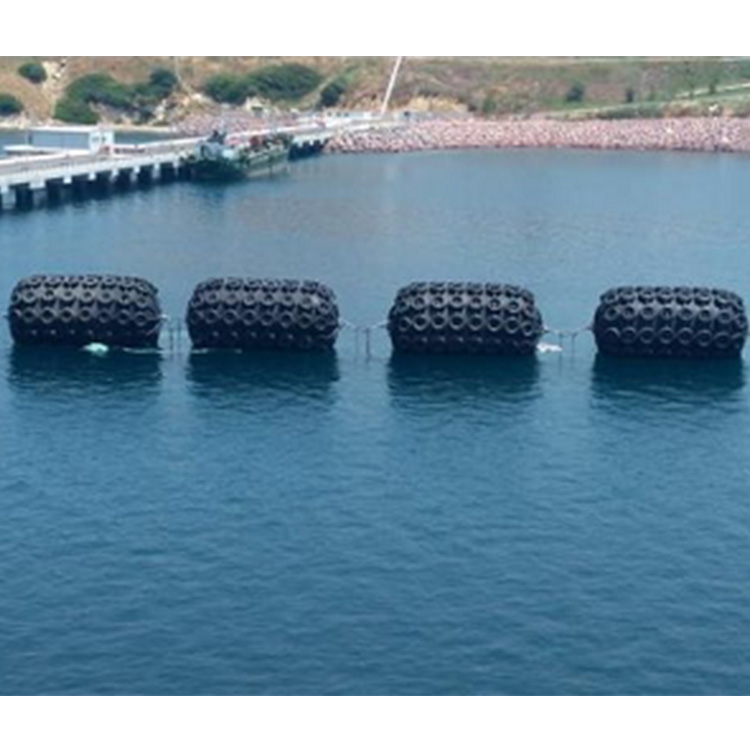
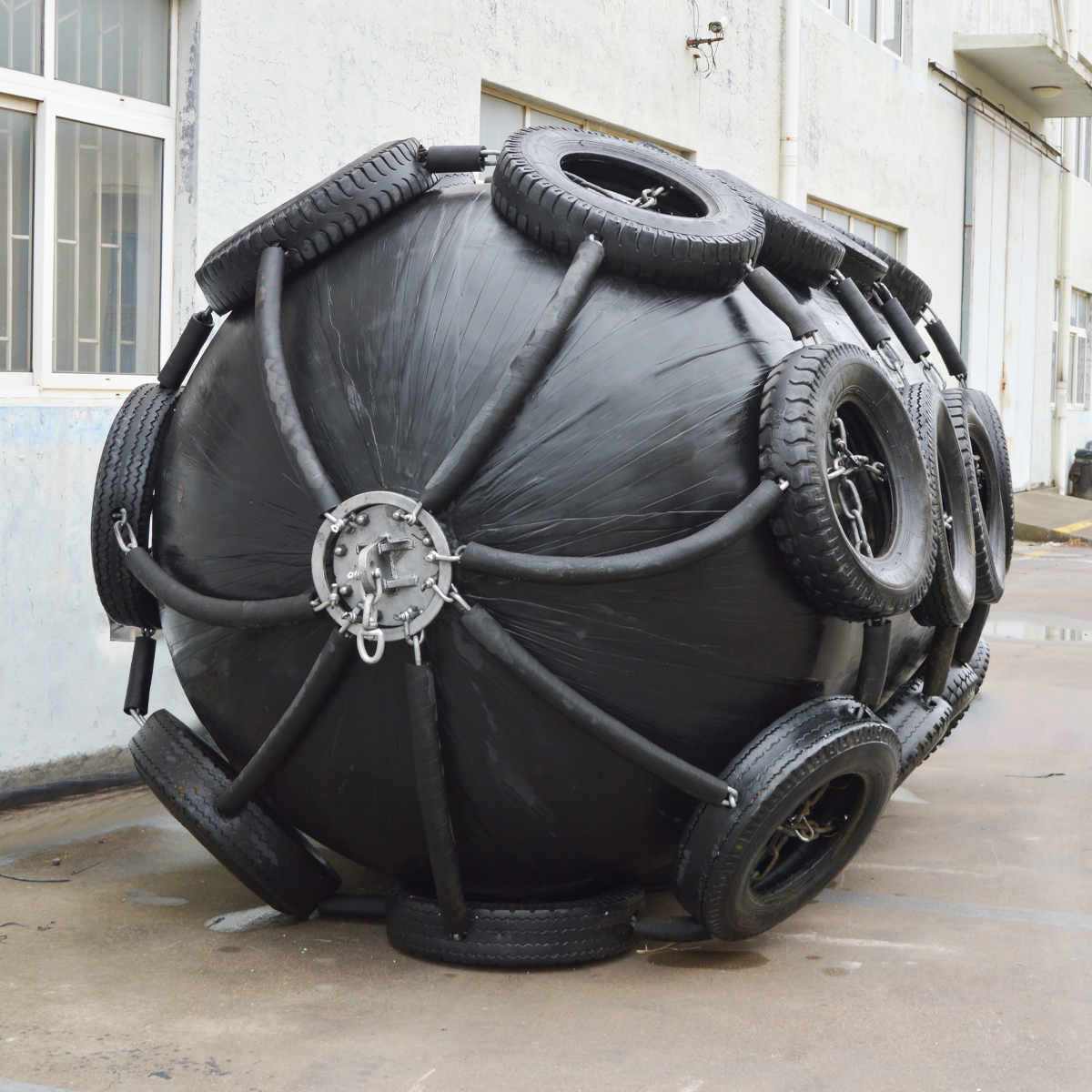
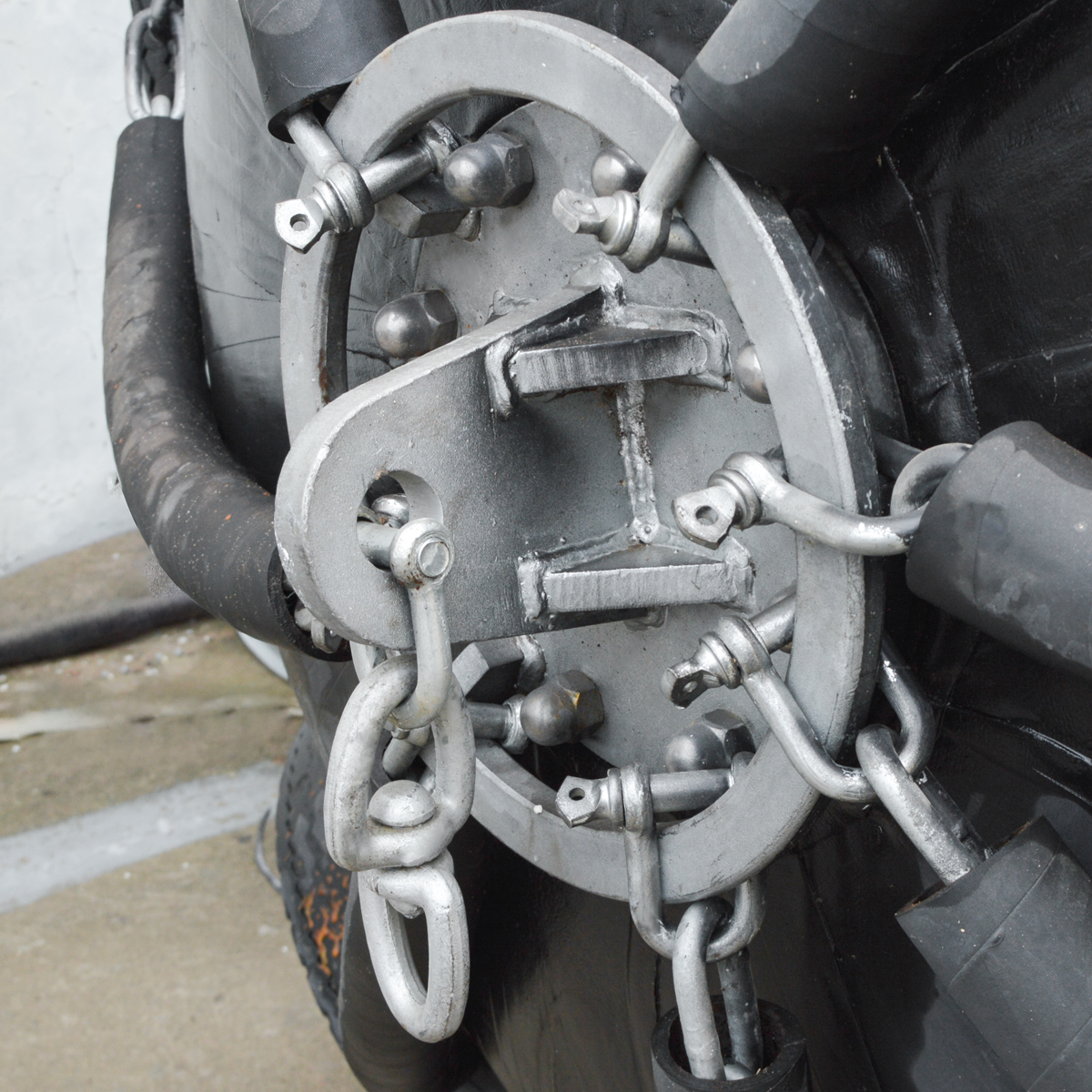
Haohang's pneumatic rubber fender is a high-pressure inflatable fender designed for ship-to-ship (STS) and ship-to-dock (STD) operations. Constructed from natural rubber and cord fabric, it delivers high elasticity, corrosion resistance, and durability. The fender operates automatically 24/7 and requires an air compressor for inflation. It is lightweight and easy to install, and it meets special requirements for extreme temperature conditions ranging from -20°C to +60°C.
Key specifications extracted from Haohang's product data include:
- Diameter: 300 mm to 2000 mm
- Length: Customizable from 1 meter to 10 meters
- Working Pressure: Typically 0.1–0.3 MPa, adjustable to site conditions
- Material: Natural rubber reinforced with cord fabric
- Applicable Industries: Ports and docks, ship mooring, offshore platforms, inland river docks, temporary mooring
Step-by-Step Breakdown: How to Select a Pneumatic Rubber Fender for Your Project
Step 1: Define the Operation Type (STS vs. STD)
Ship-to-ship operations require fenders that can handle lateral compression and rolling motion, often with larger diameters. Ship-to-dock operations may prioritize energy absorption at lower approach angles. Haohang's fenders are suitable for both.
Step 2: Calculate Berthing Energy
Determine the kinetic energy of the berthing vessel based on displacement, approach velocity, and berthing angle. This energy value drives the required fender size and working pressure.
Step 3: Match Diameter and Length
Using the calculated energy, select a diameter from Haohang's range (300–2000 mm) and length (1–10 m) that provides adequate energy absorption without exceeding the allowable reaction force on the vessel hull or dock structure.
Step 4: Verify Environmental Conditions
Check temperature range: Haohang fenders are rated for -20°C to +60°C, covering most global marine environments. In corrosive saltwater, the natural rubber and cord fabric construction ensures resistance.
Step 5: Confirm Certification Compliance
Floating pneumatic rubber fenders should comply with ISO 17357-1:2014 (High Pressure) and ISO 17357-2:2014 (Low Pressure) standards. Haohang's products are designed to meet these international benchmarks.
Step 6: Assess Supplier Capabilities
Evaluate production capacity, lead time, customization options, and quality control. Haohang offers OEM/ODM services, size/logo customization, a monthly capacity of 150 units, lead times of 7–45 days, and 100% testing for each unit.
Use Cases: Real-World Project Adaptation
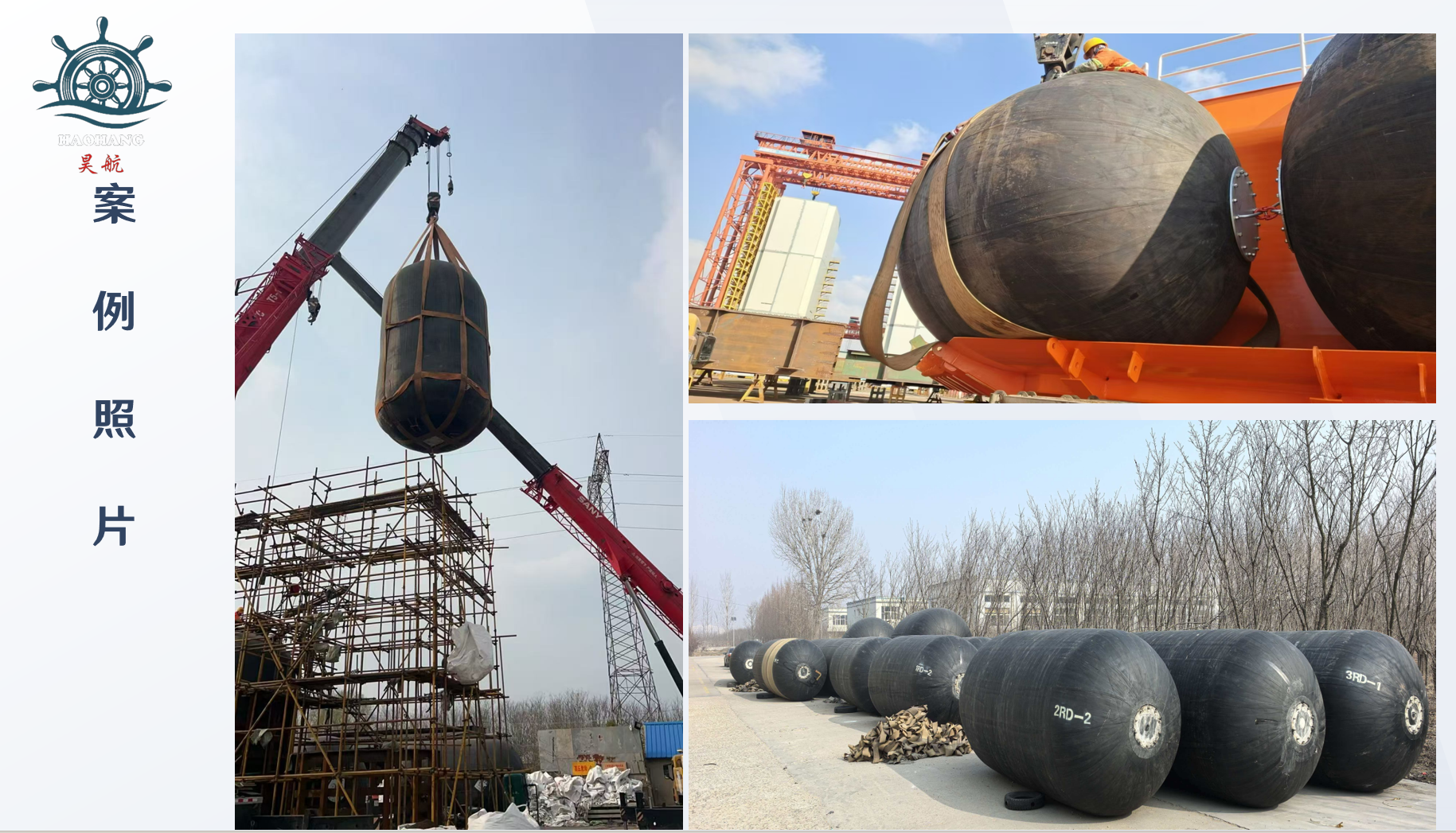
Haohang's fenders have been deployed in a project for an engineering contractor in China, where 50 units were supplied to protect vessels and dock structures during berthing operations. The project spanned five years, and the fenders successfully withstood extreme weather and high-frequency berthing. A key highlight was the high corrosion resistance suitable for China's coastal marine environment (download brochure).
Comparison Table: Project Requirements vs. Haohang Fender Capabilities
| Project Requirement | Haohang Pneumatic Rubber Fender Capability |
|---|---|
| Diameter range | 300 mm – 2000 mm |
| Length customization | 1 m – 10 m (customizable per client) |
| Working pressure | 0.1 – 0.3 MPa (adjustable) |
| Operating temperature | -20°C to +60°C |
| Material | Natural rubber + cord fabric |
| Corrosion resistance | High (suitable for saltwater) |
| Installation | Lightweight, easy to install; requires air compressor |
| Certification | Complies with ISO 17357-1/2 |
| Lead time | 7 – 45 days |
| Minimum order quantity | 1 unit |
| Customization (OEM/ODM) | Size/logo available |
| Quality control | 100% tested per unit |
Frequently Asked Questions
Ready to specify the right fender for your project? Contact Haohang for a technical consultation, sample request, or project quote. Email: ella@qdhaohang.com | Tel/WhatsApp: +86 15806273885. Visit our website: www.qdhaohang.com. Download the full product brochure: Brochure PDF.
Conclusion
Selecting the right pneumatic rubber fender for a marine project requires a methodical approach that considers operation type, berthing energy, environmental conditions, compliance, and supplier capabilities. Haohang offers a flexible, customizable product line backed by 100% quality testing and responsive lead times. By following the step-by-step framework above, procurement professionals can make an informed decision that ensures safety, durability, and cost-efficiency for their specific application. For project-specific assistance, Haohang's sales and technical teams are ready to provide tailored recommendations.
Have Questions or Need More Details?
Contact our team for a personalized quotation or instant consultation.
Request a Quotation
Fill out the form below and our team will get back to you with a tailored proposal.
WhatsApp Direct Chat
Prefer to chat in real-time? Message us on WhatsApp for instant assistance & quick answers.
- Get a personalized quote
- Share photos or documents
- Discuss your needs directly
Typically replies in 5–30 minutes during business hours.