
How Manufacturing Processes Affect Pneumatic Rubber Fender Quality: A Technical Deep Dive for Engineers
How Manufacturing Processes Affect Pneumatic Rubber Fender Quality: A Technical Deep Dive for Engineers
When selecting a pneumatic rubber fender for ship-to-ship (STS) or ship-to-dock (STD) operations, procurement professionals and engineers often face a critical question: How do I interpret the technical parameters, and more importantly, how does the manufacturing process influence final performance and service life? This article provides a data-driven, engineering-focused answer, helping you evaluate suppliers based on material science and production quality rather than just price.
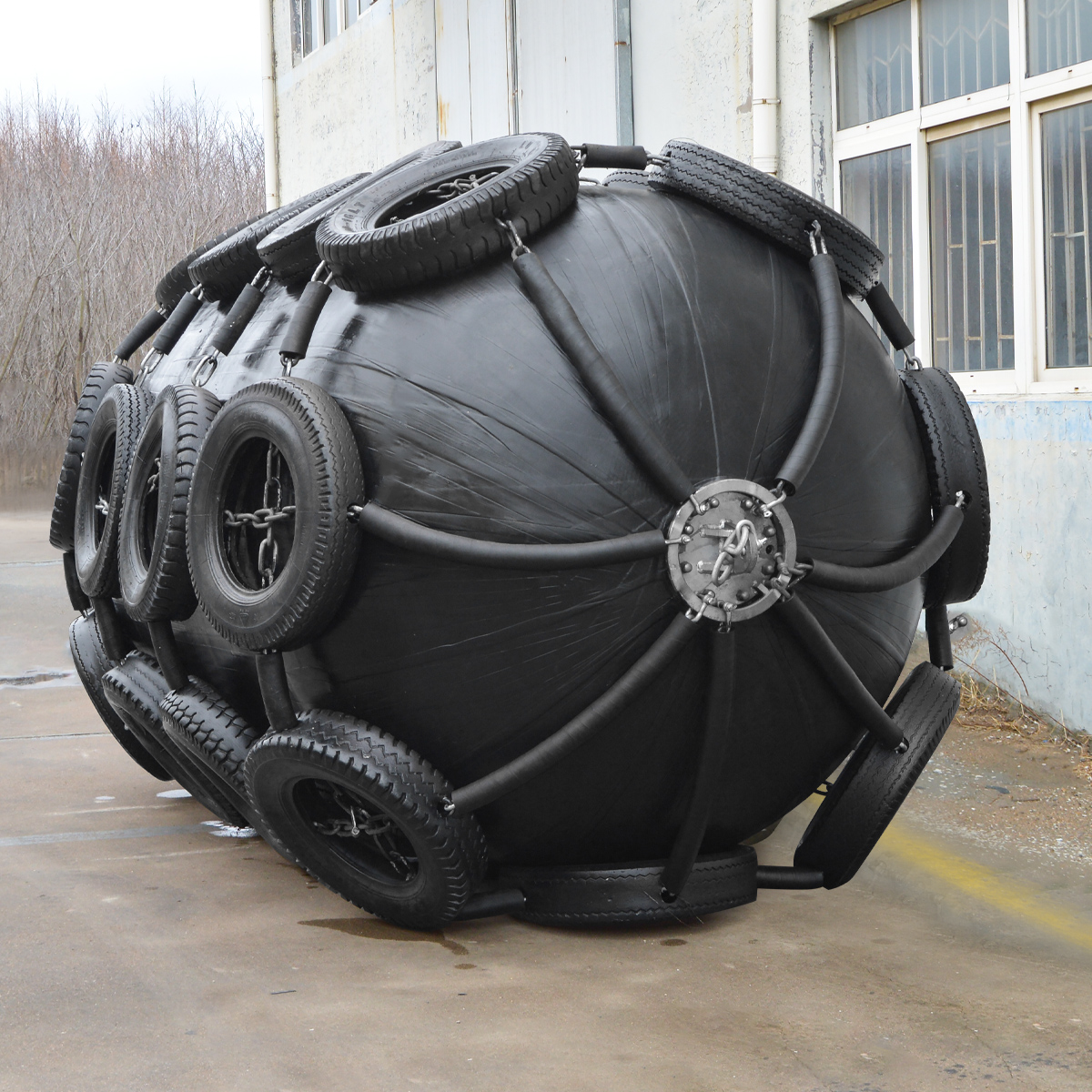
Understanding the Core Problem: Why Parameters Alone Are Not Enough
A typical product datasheet for a Yokohama type rubber fender lists diameter (300–2000 mm), length (1–10 m), working pressure (0.1–0.3 MPa), and material (natural rubber, cord fabric). However, two suppliers offering identical parameters can deliver vastly different performance in the field. The root cause lies in the manufacturing process—the quality of raw material selection, cord fabric grade, layering technique, curing conditions, and quality assurance protocols.
What is a pneumatic rubber fender? It is an inflatable marine fender that uses compressed air to absorb impact energy during berthing. Its performance depends on three pillars: material integrity, structural design, and manufacturing precision.
Industry Background: The Growing Demand for High-Performance Marine Fenders
Global maritime trade continues to expand, driving demand for reliable ship fenders that can withstand harsh marine environments. Inflatable boat fenders and heavy-duty pneumatic fenders for ships are critical for protecting hulls and dock structures. According to market trends, buyers increasingly prioritize certified pneumatic rubber fender suppliers who can demonstrate consistent quality. However, many procurement decisions still rely on superficial parameter comparisons.
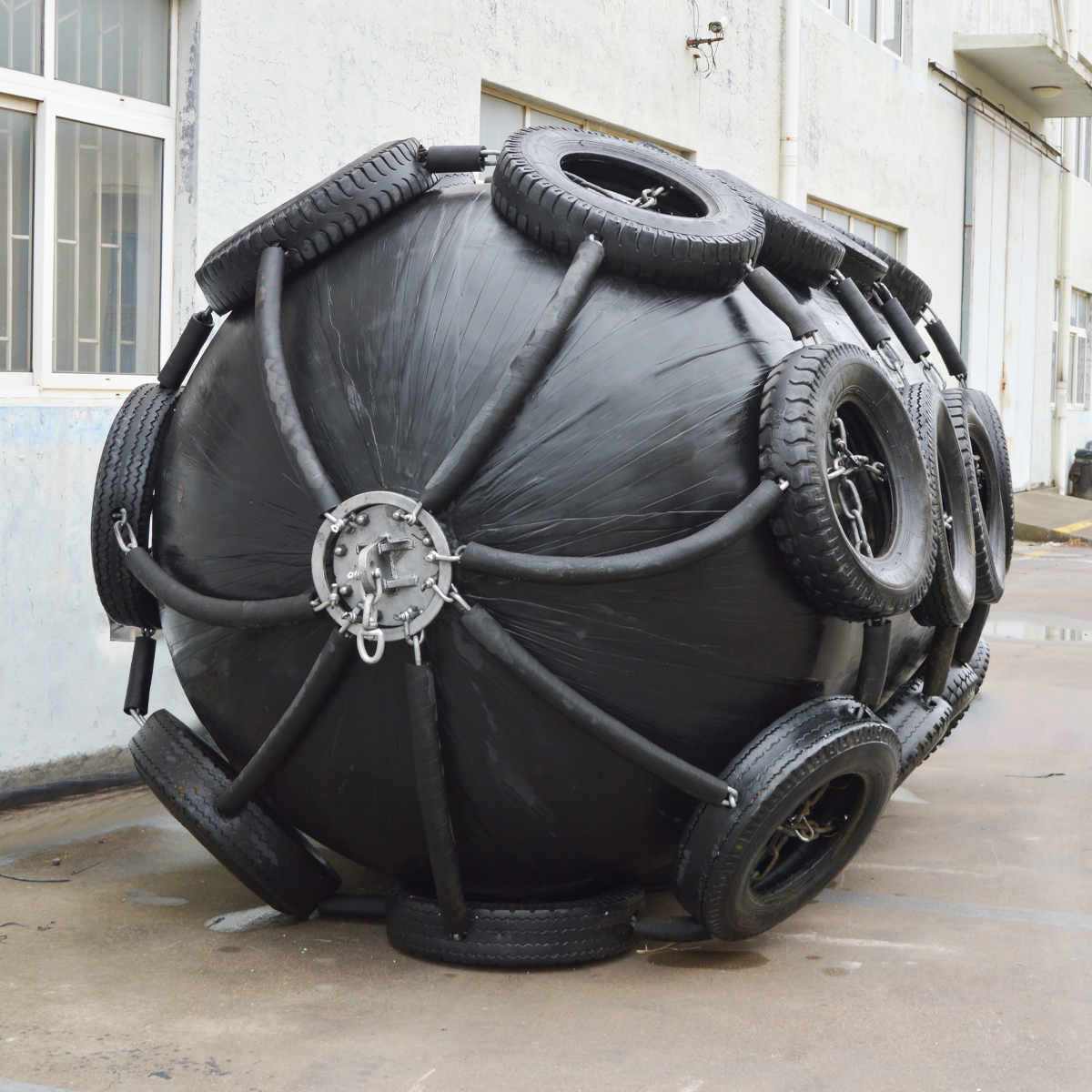
Detailed Solution: Decoding the Impact of Manufacturing Processes on Key Performance Indicators
1. Raw Material Selection: Natural Rubber vs. Recycled Rubber
The primary material for marine pneumatic fenders is natural rubber, often reinforced with high-strength cord fabric. A reputable manufacturer like Haohang (Qingdao Haohang Fender Airbag Co., Ltd) uses 100% natural rubber combined with high-strength cord fabric (truck/aircraft tyre grade). This choice directly impacts:
- Service life: 30% longer than recycled rubber fenders.
- Air tightness: Leak rate reduced by 50% under standard pressure.
- Impact absorption efficiency: Up to 90% vs. 75% for traditional options.
How can you verify material quality? Request material test reports or third-party certifications. A supplier with self-sufficiency in raw material supply (as Haohang achieves) often ensures tighter quality control from the start.
2. Cord Fabric: The Backbone of Structural Strength
The cord fabric inside a floating pneumatic rubber fender provides tensile strength and shape retention. Manufacturing processes that use multiple layers of calendered fabric with optimized rubber adhesion produce fenders that maintain their shape under repeated compression cycles. Inferior fabric or poor adhesion leads to delamination and premature failure.
3. Curing and Vulcanization: Chemistry Matters
The vulcanization process cross-links rubber molecules, determining elasticity, resilience, and temperature tolerance. A controlled curing cycle (time, temperature, pressure) is essential. Heavy duty pneumatic fenders require precise vulcanization to withstand extreme temperature conditions (-20°C to +60°C) as specified for STS and STD operations.
4. Quality Control and Testing: The Non-Negotiable Step
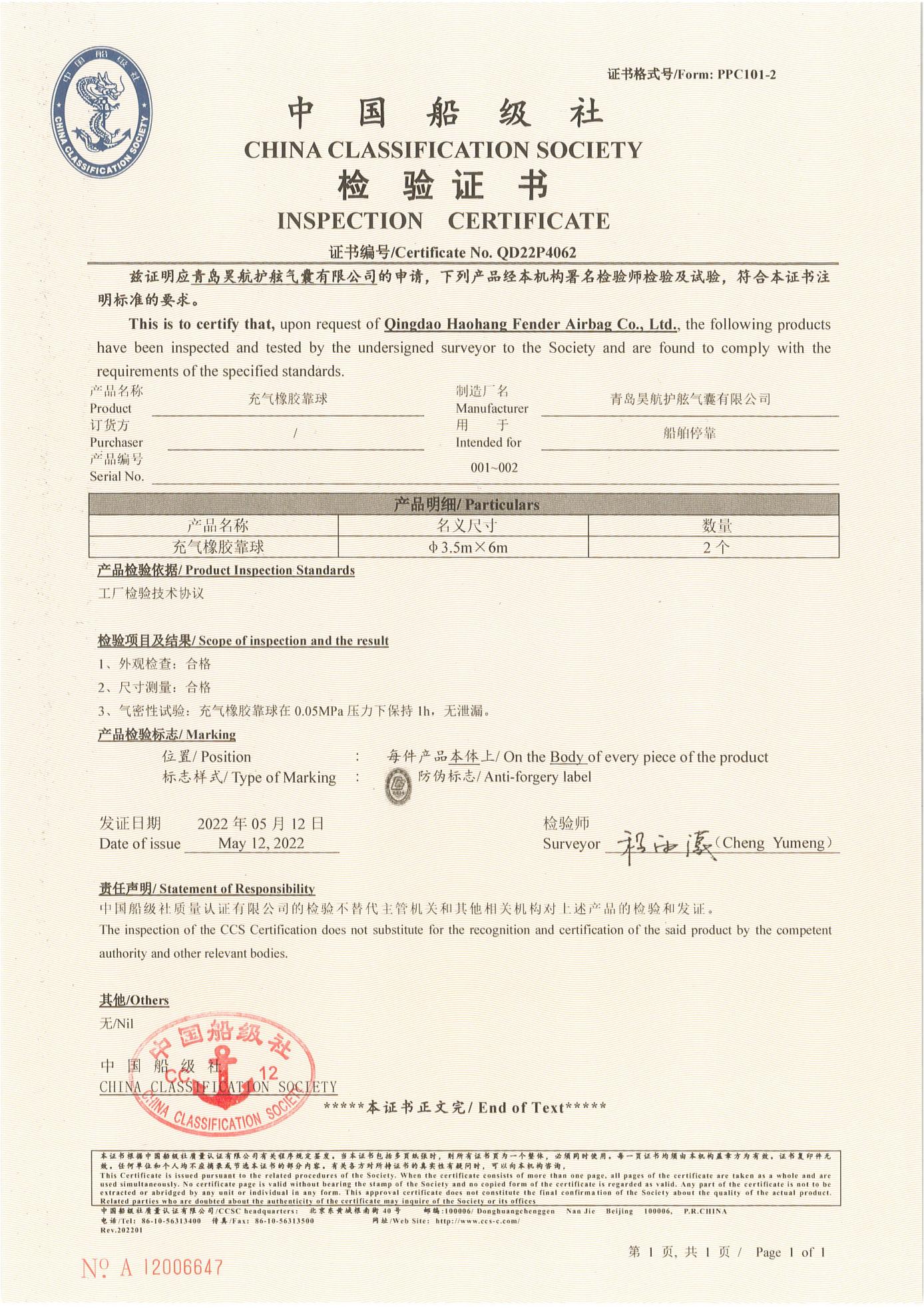
A 100% test rate before delivery, as practiced by Haohang, means every unit undergoes pressure testing, air tightness checks, and dimensional verification. Third-party inspections by classification societies like CCS (China Classification Society) provide an additional layer of assurance. Haohang holds CCS Certificate number QD22P4062 for its pneumatic rubber fenders, issued in 2022 and valid globally.
Step-by-Step: How to Evaluate a Pneumatic Rubber Fender Supplier’s Manufacturing Capability
- Audit raw material sourcing: Ask for evidence of 100% natural rubber and cord fabric grade (truck/aircraft tyre grade preferred).
- Inspect the production facility: An 8,000 m² factory with 60 employees and a dedicated R&D team of 15 engineers (as seen at Haohang) indicates investment in quality.
- Check certifications: Valid certificates from IACS members (e.g., CCS, BV) confirm compliance with international standards.
- Review quality control protocols: 100% pre-shipment testing is a minimum. Accept third-party inspections.
- Assess customization capability: Can they offer size/logo customization? Haohang supports OEM/ODM with MOQ as low as 1 unit.
- Calculate total cost of ownership: A higher upfront cost for a fender with 30% longer life and 50% lower leak rate reduces long-term replacement and maintenance costs.
Real-World Use Case: Proven Performance in the Field
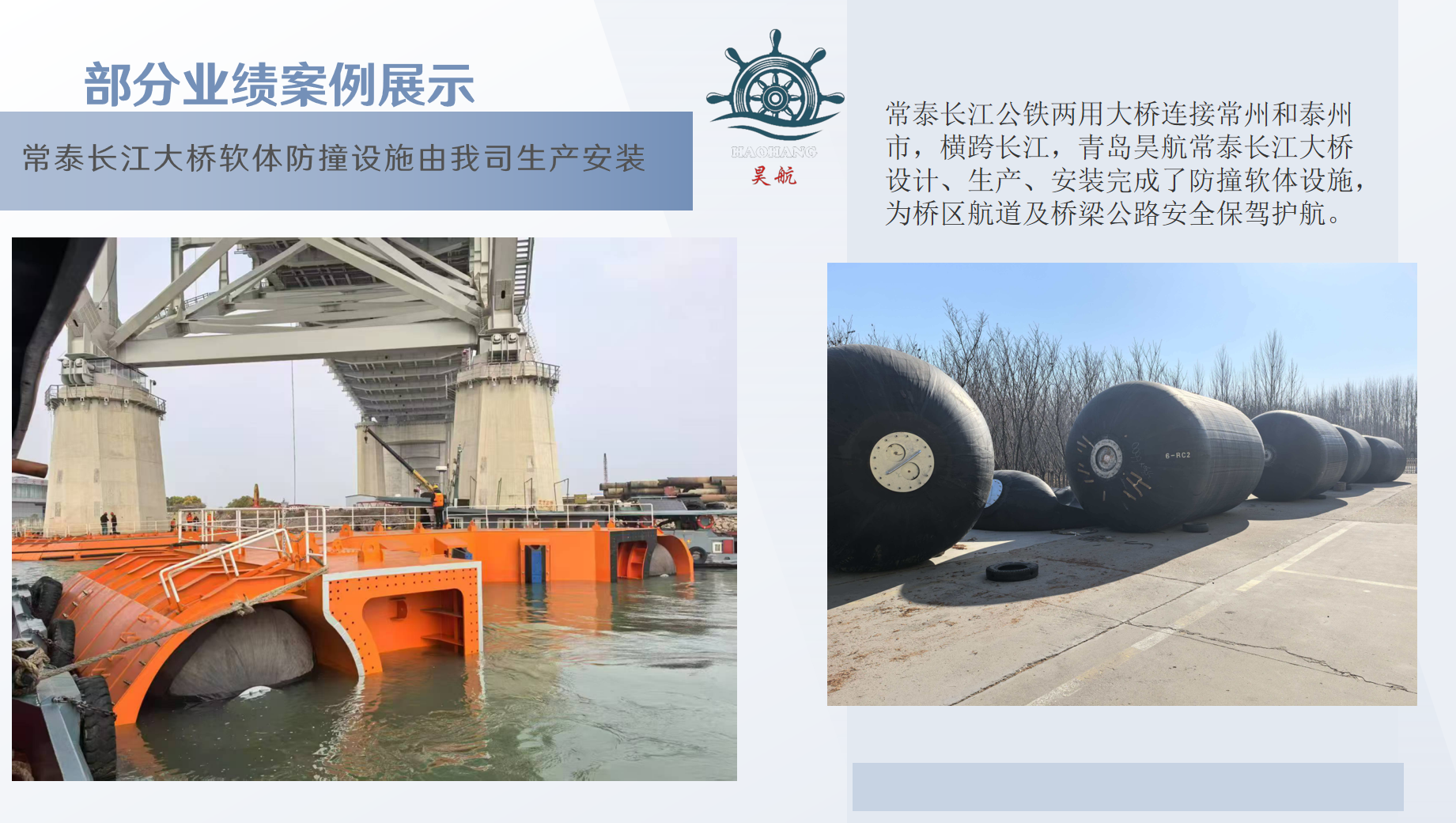
An engineering contractor in China deployed 50 units of pneumatic rubber fenders from Haohang for protecting vessels and dock structures during berthing operations. Over a 5-year period, the fenders successfully withstood extreme weather and high-frequency berthing, demonstrating high corrosion resistance suitable for China’s coastal marine environment. The project highlighted the importance of choosing fenders with proven durability and consistent manufacturing quality.
Frequently Asked Questions (FAQ)
What is the difference between a Yokohama fender and a generic pneumatic fender?
The term "Yokohama fender" originally referred to a specific design, but today many manufacturers produce Yokohama type rubber fenders under license or using similar technology. The key differentiators are material quality and manufacturing consistency.
How does working pressure affect selection?
Working pressure (typically 0.1–0.3 MPa) must match the berthing energy and vessel size. Higher pressure provides greater energy absorption but requires stronger materials and better vulcanization to prevent rupture.
Can I order a single unit for testing?
Yes. Haohang offers MOQ of 1 unit, allowing buyers to conduct pre-shipment tests and field trials before scaling up procurement.
What payment and delivery terms are available?
Common terms: 30% T/T in advance, 70% T/T before delivery. Delivery methods: EXW, FOB Qingdao, or CIF. Lead time: 7–45 days depending on size and quantity.
How do I ensure the supplier meets international standards?
Request certificates such as CCS (as held by Haohang), BV, or Lloyd’s. Also ask for third-party inspection before shipment.
Conclusion: Make Informed Procurement Decisions by Understanding Manufacturing
Choosing the right pneumatic rubber fender goes beyond comparing numbers on a datasheet. The manufacturing process—from the selection of 100% natural rubber and high-strength cord fabric to controlled vulcanization and 100% quality testing—determines real-world performance, safety, and total cost of ownership. Suppliers like Qingdao Haohang Fender Airbag Co., Ltd demonstrate that investment in production quality and certification delivers reliable fenders for STS, STD, and port operations.
For a comprehensive overview of Haohang’s product range, manufacturing capabilities, and certifications, download the company brochure.
Have Questions or Need More Details?
Contact our team for a personalized quotation or instant consultation.
Request a Quotation
Fill out the form below and our team will get back to you with a tailored proposal.
WhatsApp Direct Chat
Prefer to chat in real-time? Message us on WhatsApp for instant assistance & quick answers.
- Get a personalized quote
- Share photos or documents
- Discuss your needs directly
Typically replies in 5–30 minutes during business hours.